Traditional financial yield platforms usually rely on centralized capital management. As a result, users may be able to access yield products, but they often have limited ability to participate in on-chain asset collaboration or transparent yield structures. Block Street is designed to bring stablecoins, yield systems, and on-chain financial infrastructure into one unified ecosystem.
The Block Street ecosystem mainly covers stablecoin yield, asset management, on-chain capital collaboration, and the BSB token mechanism. According to official materials, Block Street will also expand its Web3 financial ecosystem around yield strategies, on-chain financial services, and digital asset management.
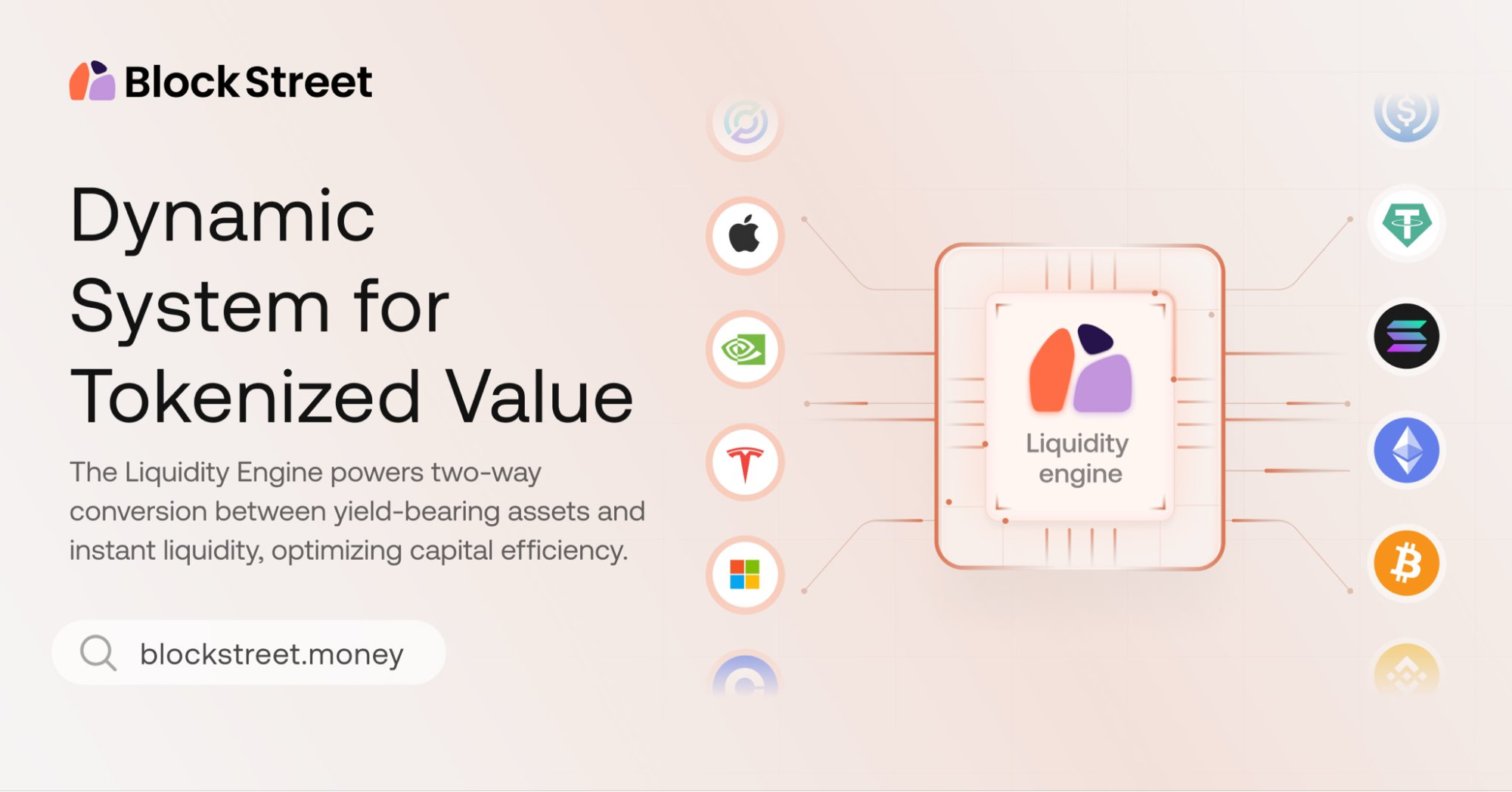
What Is Block Street?
Block Street focuses on building on-chain financial infrastructure and a stablecoin yield ecosystem. Rather than functioning like a traditional DeFi yield protocol, Block Street is closer to an on-chain financial collaboration platform.
Structurally, the Block Street ecosystem is built around the following areas:
Block Street connects user assets, yield strategies, and capital management systems through on-chain structures. Some of its functions also involve yield distribution, stablecoin collaboration, and digital financial services.
In terms of positioning, Block Street places more emphasis on on-chain financial infrastructure than on a single yield product. Its design focuses on improving capital efficiency and yield collaboration across on-chain environments.
How Block Street Builds On-Chain Financial Infrastructure
Block Street builds financial infrastructure through stablecoin assets, yield strategies, and on-chain management systems. Its goal is not only to provide yield, but also to establish a long-term on-chain structure for financial collaboration.
First, users connect stablecoin assets to the Block Street ecosystem. Block Street then uses on-chain systems to coordinate asset flows and yield strategies. After that, yield data enters an on-chain distribution structure.
Ultimately, Block Street uses on-chain records to maintain yield collaboration and asset transparency. In essence, its financial structure depends on stablecoin assets and yield systems working together in a long-term cycle.
Structurally, Block Street’s financial infrastructure mainly includes:
| Module |
Main Function |
| Stablecoin system |
Asset circulation |
| Yield structure |
Yield generation |
| On-chain management |
Capital coordination |
| BSB ecosystem |
Incentive collaboration |
This means Block Street is not just a yield platform. It is more like a Web3 financial collaboration network.
How Block Street’s Yield Mechanism Works
Block Street’s yield mechanism operates around stablecoin assets, on-chain strategies, and yield distribution structures. Its core focus is improving the yield efficiency of on-chain assets.
First, users deposit stablecoin assets into the Block Street system. Block Street then coordinates on-chain capital based on yield strategies. The system subsequently generates corresponding yield data.
Finally, yield enters the distribution structure according to the relevant rules. Block Street uses on-chain systems to record yield and asset changes, helping maintain the operation of the yield ecosystem.
Block Street’s yield mechanism usually involves the following areas:
This means Block Street’s yield structure depends not only on asset deposits, but also on its ability to coordinate capital on-chain.
Unlike traditional yield platforms, Block Street places greater emphasis on on-chain transparency and financial collaboration structures.
What Role Does BSB Play in Block Street?
BSB is the core utility token in the Block Street ecosystem. It is used to connect yield structures, ecosystem incentives, and on-chain financial collaboration. The main purpose of BSB is to strengthen the long-term operating capacity of the Block Street ecosystem.
First, BSB participates in ecosystem incentives and yield collaboration. It also connects with certain asset management and on-chain financial functions. Block Street then uses BSB to coordinate ecosystem operations.
Structurally, BSB’s main roles include:
| Function |
Role of BSB |
| Ecosystem incentives |
User participation |
| Yield collaboration |
Financial cycle |
| On-chain governance |
Ecosystem coordination |
| Asset collaboration |
Capital connection |
Official materials currently emphasize BSB’s role in ecosystem collaboration and yield structures, but detailed Tokenomics data has not yet been fully disclosed.
BSB is designed to connect on-chain financial services with the yield ecosystem, rather than simply serving as a payment function.
How Block Street Connects Stablecoins and On-Chain Assets
Block Street connects the Web3 financial ecosystem through stablecoin structures and on-chain asset management systems. Traditional yield platforms usually only support capital deposits and yield withdrawals, while Block Street places more emphasis on on-chain asset collaboration.
First, users connect stablecoin assets within Block Street. Block Street then coordinates on-chain capital flows and yield strategies. After that, yield and asset data enter the on-chain record system.
Ultimately, Block Street uses stablecoin structures to maintain asset collaboration and yield cycles. At its core, Block Street’s on-chain logic depends on a collaborative relationship between stablecoins and yield systems.
This means Block Street is not just a stablecoin yield tool. It is closer to on-chain financial infrastructure.
Unlike traditional yield products, Block Street places greater emphasis on asset transparency and on-chain management capabilities.
How Block Street Handles Yield Distribution and Asset Management
Block Street uses on-chain yield structures and asset management systems to handle capital collaboration. Its focus is on improving on-chain yield transparency and capital efficiency.
First, Block Street records user assets and yield data. Yield then enters the distribution system according to on-chain rules. Block Street subsequently coordinates asset flows and yield updates.
As a result, users can continue participating in the on-chain yield ecosystem. Block Street uses on-chain structures to maintain long-term financial collaboration relationships.
Block Street’s asset management logic mainly includes:
-
Asset deposits
-
Yield generation
-
Yield distribution
-
On-chain records
This means Block Street’s yield structure depends not only on capital size, but also on the efficiency of on-chain management.
Unlike traditional asset management platforms, Block Street places greater emphasis on on-chain transparency and automated collaboration.
What Are the Use Cases of Block Street?
Block Street’s use cases mainly revolve around stablecoin yield, on-chain asset management, and financial collaboration. Its focus is on building a long-term Web3 financial ecosystem.
Typical use cases for Block Street include:
Through these scenarios, Block Street connects stablecoins, yield systems, and on-chain asset structures. Users can not only participate in the yield ecosystem, but also use Block Street for on-chain financial collaboration.
Block Street’s application ecosystem may also expand into more stablecoin financial scenarios and digital asset services. Its core focus is improving the efficiency of on-chain capital use.
Traditional RWA platforms usually focus more on tokenizing real-world assets, while Block Street places greater emphasis on on-chain yield structures and stablecoin-based financial collaboration.
Structurally, traditional RWA platforms mainly center on mapping real-world assets, whereas Block Street focuses more on on-chain asset management and yield systems.
This difference means Block Street is not only concerned with bringing assets on-chain, but also with on-chain yield collaboration and financial infrastructure.
Part of the Block Street ecosystem also revolves around stablecoin assets and yield cycles. Compared with traditional RWA platforms, Block Street places greater emphasis on on-chain financial efficiency and asset liquidity.
What Ecosystem Limitations Does Block Street Face?
The Block Street ecosystem generally depends on the stablecoin market and demand for on-chain yield. If on-chain capital activity declines, Block Street’s yield structure may be affected.
Block Street’s yield system also needs to maintain long-term balance. If yield sources rely too heavily on a single strategy, the efficiency of on-chain capital collaboration may decline.
Volatility in the digital asset market may also affect Block Street’s stablecoin yield structure. If demand for on-chain finance weakens, some yield scenarios may come under pressure.
Block Street also needs to continue expanding financial partnerships and its yield ecosystem. On-chain financial infrastructure usually depends on long-term operations, so Block Street’s ecosystem growth will be influenced by capital scale and market demand.
Conclusion
Block Street is a Web3 platform built around stablecoin yield, on-chain asset management, and financial infrastructure. Through on-chain yield structures, asset management systems, and the BSB ecosystem, Block Street connects stablecoin financial services with on-chain asset collaboration.
Compared with traditional yield platforms and some RWA projects, Block Street places greater emphasis on on-chain financial collaboration, yield transparency, and stablecoin asset management capabilities. BSB, meanwhile, connects ecosystem incentives, yield structures, and on-chain financial collaboration.
FAQs
What Is Block Street?
Block Street is a Web3 platform built around stablecoin yield, on-chain asset management, and financial infrastructure. It is designed to connect on-chain yield, capital collaboration, and the BSB ecosystem.
What Role Does BSB Play in Block Street?
BSB is the core utility token of Block Street. It is used for ecosystem incentives, yield collaboration, on-chain governance, and the operation of the financial ecosystem.
How Does Block Street Generate On-Chain Yield?
Block Street generates corresponding yield structures through stablecoin assets, on-chain yield strategies, and capital collaboration systems.
What Are the Use Cases of Block Street?
Block Street is mainly used for stablecoin yield, on-chain asset management, Web3 financial services, and yield collaboration networks.
Traditional RWA platforms focus more on tokenizing real-world assets, while Block Street places greater emphasis on on-chain yield structures and stablecoin-based financial collaboration.
What Limitations Does Block Street Face?
Block Street is affected by the stablecoin market, demand for on-chain yield, capital scale, and the financial partnership ecosystem.