Distributed energy and AI infrastructure are rapidly becoming focal points in the crypto marketplace. As the number of solar panels, electric vehicles, and home energy storage devices grows, an increasing number of projects are leveraging on-chain systems to coordinate real-world energy networks.
Traditional energy systems have relied on centralized generation and unified dispatch. However, with the rise of edge devices, the relationship between energy supply and demand is growing more complex. On-chain coordination structures are now entering the conversation around energy infrastructure.
Discussions about Starpower typically center on DePIN, energy aggregation, device collaboration, AI-driven energy demand, and on-chain incentive mechanisms. Collectively, these components define the logic behind the Starpower energy network.
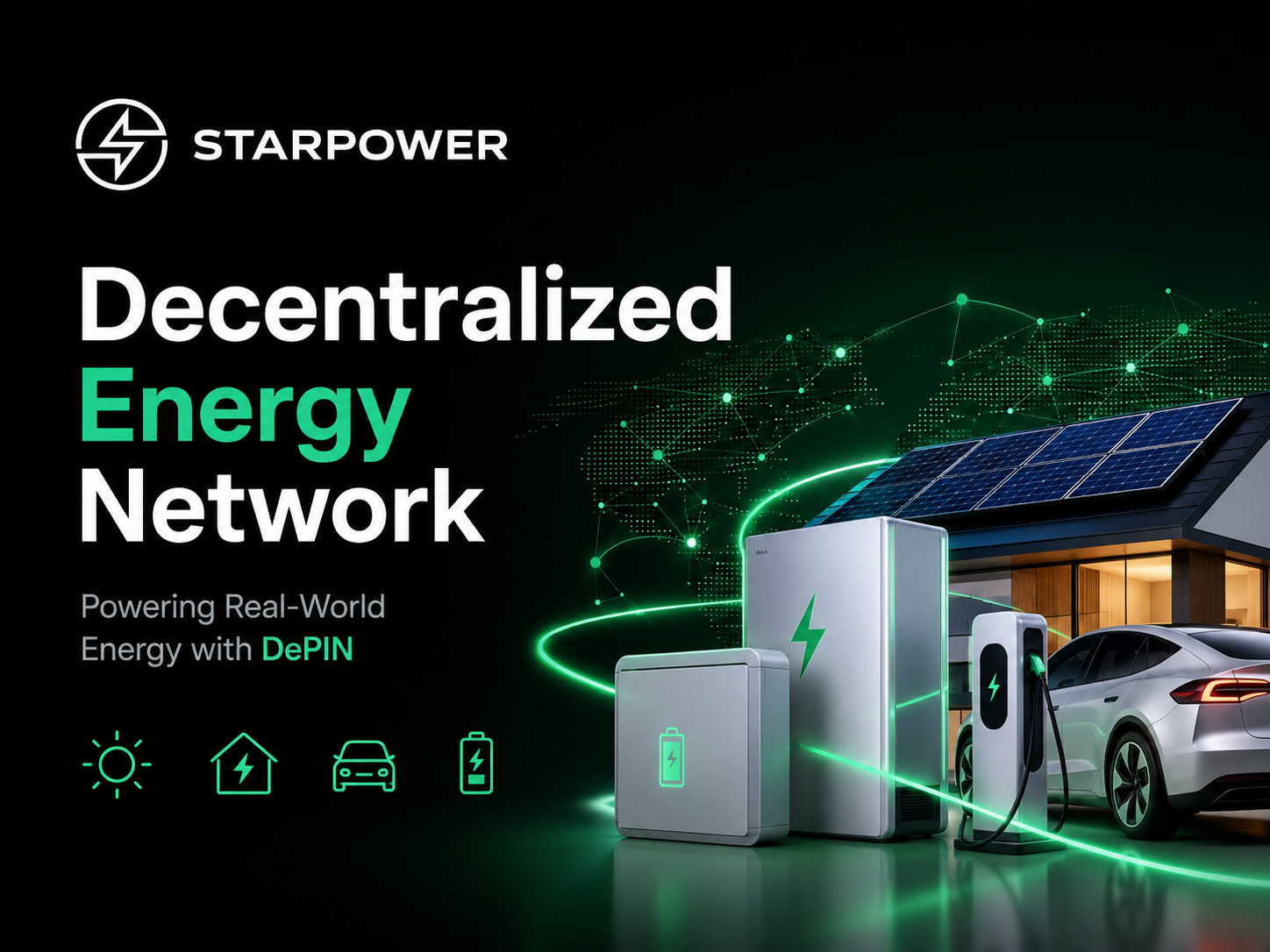
What Is Starpower
Starpower is a distributed energy coordination network that continuously manages energy data across solar panels, electric vehicles, and home energy devices, optimizing supply and demand among various nodes.
Unlike traditional energy trading platforms, Starpower functions as an energy coordination layer, with a primary focus on enhancing collaboration efficiency among diverse devices.
Starpower integrates real-world energy devices into a unified network. Once devices are connected, the system continuously analyzes energy status, node loads, and shifts in energy demand.
This model transforms home energy devices from passive consumers into active participants—solar panels, electric vehicles, and home batteries all serve as energy nodes within the network.
The Role of DePIN in Starpower
Connecting real-world devices to the on-chain network enables the blockchain system to access authentic energy data. DePIN’s core function is to bridge physical infrastructure with digital networks.
Starpower leverages the DePIN framework to manage solar panels, electric vehicles, and home energy devices. Each device operates as an independent node, continuously syncing energy status and operational data.
The DePIN network emphasizes node autonomy. The on-chain system analyzes supply and demand based on real-time energy data, coordinating energy collaboration among devices.
| Module |
Function |
| Solar devices |
Provide energy input |
| Home batteries |
Store energy |
| Electric cars |
Participate in dispatch |
| On-chain system |
Process energy data |
| DePIN network |
Coordinate node operation |
This architecture enables Starpower to coordinate real-world energy devices through the on-chain system. Compared to traditional energy systems, DePIN is better equipped to handle large-scale collaboration among edge devices.
How Starpower Builds a Decentralized Energy Network
Traditional energy systems have long depended on centralized generation and dispatch. As renewable energy devices proliferate, the logic of energy coordination is evolving.
Starpower employs device aggregation to construct a decentralized energy network. Solar panels, batteries, and electric vehicles across different regions collectively form a distributed energy system.
Users connect their energy devices to the Starpower network. The on-chain system then synchronizes device status and energy data, analyzes supply-demand dynamics, and coordinates energy distribution among devices.
Starpower’s core mission is not direct energy production but enhancing device-to-device collaboration. As the number of edge devices rises, efficient energy coordination becomes critical.
Unlike conventional energy structures, decentralized energy networks prioritize device autonomy. Energy coordination capabilities are gradually shifting from centralized entities to distributed device networks.
The Role of the STAR Token in Starpower
The STAR token powers device incentives, node participation, and energy coordination mechanisms within the Starpower network. On-chain incentives are essential for sustaining DePIN network operations.
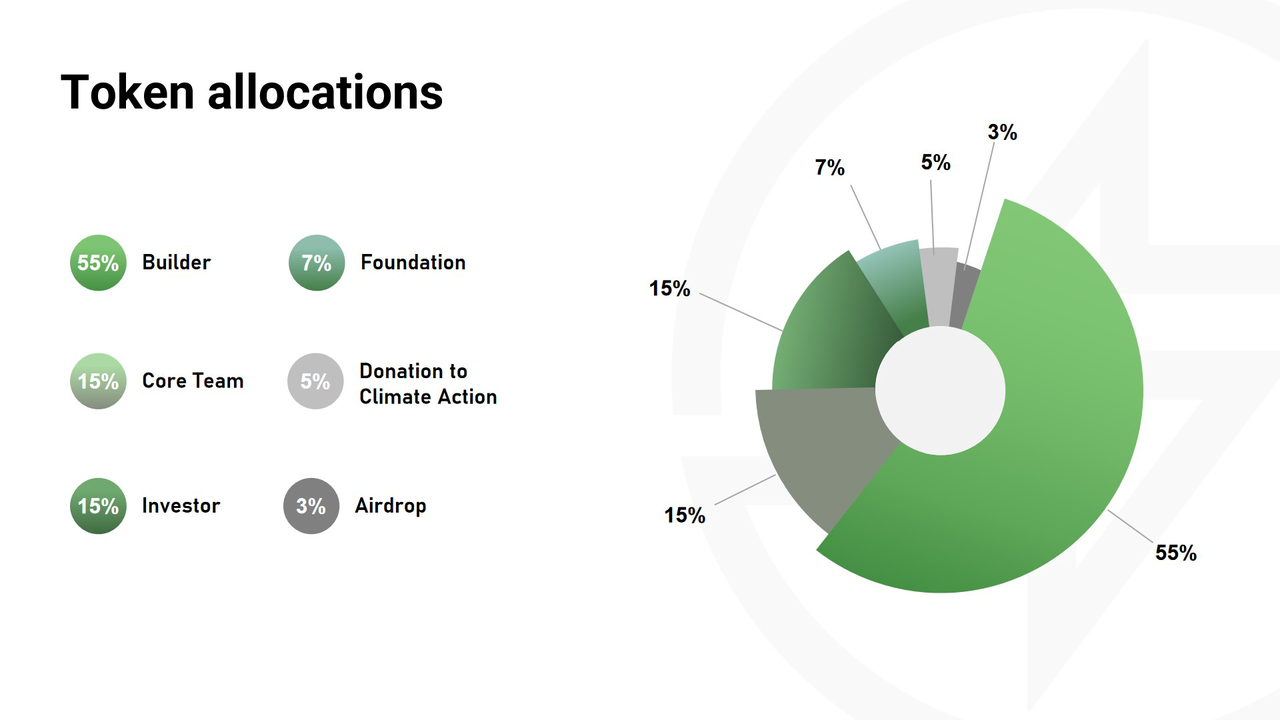
Starpower’s energy network depends on continuous data uploads from numerous devices, incentivized by the STAR token. Device operation, data synchronization, and network coordination are all tied to on-chain incentive logic.
Structurally, STAR acts as a coordination asset within the network, not just a standard trading token. Device nodes may earn rewards for uploading energy data, while network participants can use STAR for governance activities.
| STAR Function |
Application Scenario |
| Node incentive |
Device participation |
| Data reward |
Uploading energy data |
| Network coordination |
Energy collaboration |
| Governance |
Community governance |
This mechanism directly links STAR to network operations. The number of devices, the demand for energy coordination, and the scale of node participation all influence STAR’s use within the system.
How Starpower Connects Solar and Home Devices
Solar panels and home storage devices have traditionally operated in isolation, leading to inefficiencies in energy utilization and increased energy volatility due to a lack of unified coordination.
Starpower leverages on-chain coordination to connect solar, batteries, and home devices. Once devices are integrated, the network manages energy status and device data centrally.
Home devices first upload real-time energy status to the network. The system then analyzes energy loads across devices, adjusts energy distribution via the on-chain coordination module, and establishes local energy collaboration structures.
This approach empowers home devices to both consume and coordinate energy. Home batteries can store surplus energy, and electric vehicles can function as mobile energy nodes.
From an application standpoint, Starpower aims to maximize the efficiency of distributed energy use and minimize the impact of energy fluctuations.
How Starpower’s Energy Aggregation Mechanism Works
Renewable energy sources are inherently volatile, making energy supply less stable. Solar and wind energy are influenced by weather and usage patterns.
Starpower’s energy aggregation mechanism continuously coordinates energy nodes and balances supply and demand. The on-chain system processes device data in real time.
Energy nodes synchronize device status and energy data, the system analyzes regional supply-demand shifts, and storage devices and electric vehicles participate in energy coordination. The network then dynamically adjusts energy distribution.
| Mechanism |
Function |
| Data upload |
Acquire device status |
| Network analysis |
Assess supply-demand shifts |
| Storage coordination |
Balance energy volatility |
| Device scheduling |
Optimize energy usage |
Starpower’s aggregation mechanism relies on real-time data coordination. Compared to traditional systems, on-chain structures enhance device data transparency and collaboration efficiency.
Energy aggregation capacity directly impacts network efficiency. As the number of nodes increases, robust data processing becomes vital.
Why AI Energy Demand Drives Distributed Energy Development
AI computing is rapidly accelerating energy consumption. GPU servers, AI model training, and data centers all demand substantial power.
Traditional energy systems are designed for stable supply, but the surging energy needs of AI infrastructure are straining dispatch capabilities. Distributed energy networks are gaining traction as a result.
Starpower addresses this by leveraging edge energy devices to relieve pressure on centralized sources. Home batteries, electric vehicles, and solar panels all serve as supplemental energy nodes.
The AI sector requires agile energy coordination. Distributed energy networks boost dispatch efficiency by utilizing multiple energy nodes.
This evolution signals a shift toward digitalized energy infrastructure. On-chain coordination systems are poised to become integral to future energy networks.
How Starpower Differs from Traditional Energy Systems
Traditional energy systems rely on large-scale generation and centralized dispatch, making users primarily energy consumers rather than network participants.
Starpower prioritizes distributed device collaboration. Solar panels, electric vehicles, and home batteries all operate as energy nodes within the network.
In traditional systems, data coordination is managed by centralized entities. Starpower, in contrast, utilizes on-chain structures for energy data management and device collaboration.
| Comparison Dimension |
Starpower |
Traditional Energy System |
| Network structure |
Distributed |
Centralized |
| Node role |
User participation |
Primarily consumers |
| Data coordination |
On-chain system |
Centralized dispatch |
| Energy source |
Multi-node devices |
Large-scale generation |
These differences make each system suitable for different scenarios. Traditional systems excel at stable supply, while distributed networks offer flexible coordination.
Starpower’s mission is not to replace traditional systems, but to enhance energy collaboration among edge devices.
Starpower’s Expansion and Governance Challenges
Distributed energy networks must manage vast numbers of real-world devices, making scalability challenging. Device compatibility, node stability, and data accuracy all impact network performance.
A key challenge for Starpower is standardizing device protocols. Devices from different manufacturers may use varying interfaces and data structures.
From a governance perspective, energy networks must address permission management and data privacy. The on-chain system coordinates device approval, node identities, and data access controls.
With more nodes, the system faces greater data coordination demands. The efficiency of energy aggregation directly affects network stability.
These challenges highlight that DePIN energy networks are still in the early stages. The ability to coordinate on-chain systems with real-world devices will determine future scalability.
Summary
Starpower is a DePIN network protocol focused on distributed energy coordination, connecting solar panels, electric vehicles, home batteries, and energy devices.
Starpower’s core mission is to aggregate real-world energy nodes through on-chain systems and coordinate supply and demand. Compared to traditional energy systems, Starpower emphasizes device collaboration and distributed coordination.
The STAR token serves as the incentive for devices, node participation, and energy coordination, forming a critical component of network operations.
FAQ
What is Starpower?
Starpower is a distributed energy network protocol based on the DePIN framework, designed to aggregate solar panels, electric vehicles, home batteries, and household energy devices, and coordinate renewable energy supply and demand.
What is the function of the STAR token?
The STAR token is primarily used for node incentives, energy data rewards, network coordination, and governance participation, serving as the on-chain incentive mechanism within the Starpower network.
How does Starpower operate?
Starpower connects energy devices and synchronizes energy data, then analyzes supply and demand through the on-chain coordination system, and finally manages energy distribution and device operation across the network.
What role does DePIN play in Starpower?
DePIN connects real-world energy devices with the on-chain network. Starpower manages solar panels, electric vehicles, and storage devices through the DePIN framework, enabling coordinated operation among devices.
How is Starpower different from traditional energy systems?
Traditional energy systems rely on centralized generation and dispatch, while Starpower prioritizes distributed device participation, on-chain data coordination, and energy node autonomy.
Why does AI energy demand impact distributed energy networks?
AI training and data centers consume significant electricity, requiring energy systems with greater flexibility. Distributed energy networks can use edge devices to alleviate pressure on centralized sources.