ChintuBhai

vip
Active for: 0y
Peak Tier 0
No content yet
  • Reward
  • Comment
  • Repost
  • Share
Money supply growth across the worlds major economies has significantly outpaced economic growth, ra
live-cover
50 reminders set
2026-07-25 16:21
  • Reward
  • Comment
  • Repost
  • Share
Crypto market update Bitcoin Ethereum
2,645 views
2026-07-25 11:23
  • Reward
  • 1
  • Repost
  • Share
GateUser-37edc23c:
2026 GOGOGO 👊
material
EagleEye
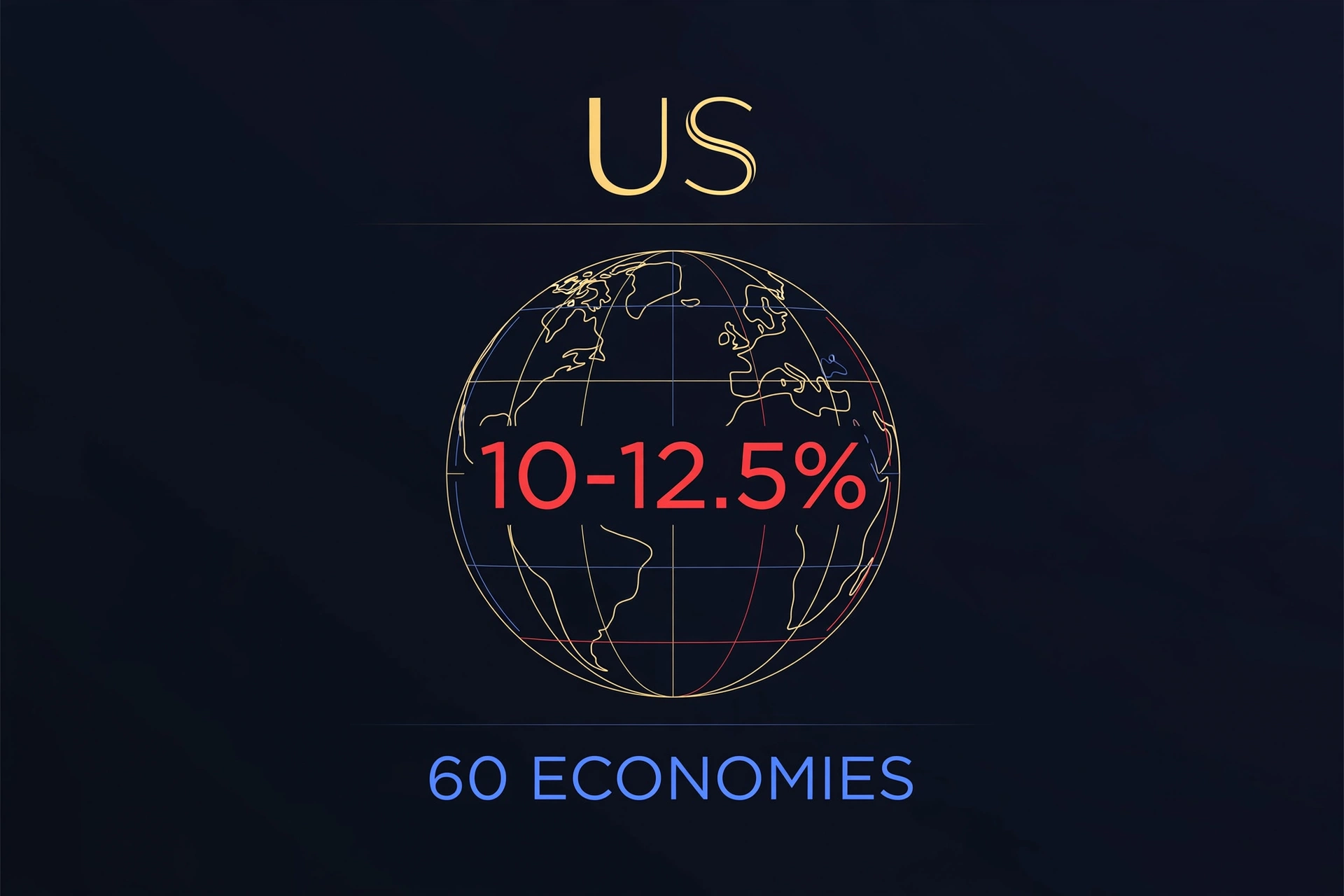
🔥 #UStoImpose10To12.5PercentTariffsOn60Economies
Global markets are waking up to another major trade-policy shock. The U.S. is reportedly moving toward 10%–12.5% tariffs across 60 economies, putting international trade, inflation expectations, and risk sentiment back in the spotlight.
📉 For markets, the bigger question isn't just the tariff percentage—it's the second-order impact. Higher import costs can put pressure on businesses, potentially raise consumer prices, and influence central-bank policy. At the same time, countries facing new trade barriers could respond with negotiations or countermeasures, creating another layer of uncertainty for global investors.
💰 For crypto traders, this matters. When geopolitical and trade uncertainty rises, markets can become more volatile as capital rotates between risk-on and defensive assets. Bitcoin and major altcoins may react to changes in liquidity expectations, while high-beta tokens could experience sharper moves in either direction.
📊 BTC remains the key market indicator to watch. If Bitcoin holds its major support levels despite rising macro uncertainty, it could signal underlying strength in crypto. But a breakdown in BTC structure could increase pressure across the altcoin market.
⚡ ETH is another important signal. Traders should watch whether Ethereum maintains relative strength against Bitcoin and whether liquidity continues flowing into the broader digital-asset ecosystem.
🔥 For altcoins, the environment becomes more selective. Tokens with strong liquidity and clear narratives may attract attention, while weaker assets could face increased selling pressure if global risk appetite deteriorates.
💡 Market Pulse: Trade tariffs can influence more than just imports and exports. They can affect inflation, interest-rate expectations, currency markets, equities, commodities, and ultimately the amount of liquidity available for risk assets. That's why crypto traders should keep an eye on the DXY, U.S. Treasury yields, stock indices, and BTC dominance alongside crypto charts.
🎯 Trading Strategy: Don't trade the headline alone. Watch the market's actual reaction. If BTC holds support while traditional markets remain stable, the initial fear could fade quickly. If equities sell off, yields jump, and BTC loses key levels simultaneously, risk management becomes even more important.
⚠️ The key takeaway: This is a macro event, not simply a crypto story. The biggest opportunities may come from volatility—but volatility works both ways. Wait for confirmation, manage leverage carefully, and avoid chasing sudden moves caused by breaking headlines.
Global trade tensions are rising. Now the real question for traders is: will markets absorb the shock—or will this become the next catalyst for a broader risk-off move? 🌍📈
repost-content-media
  • Reward
  • 9
  • Repost
  • Share
CryptoZyra:
2026 GOGOGO 👊
View More
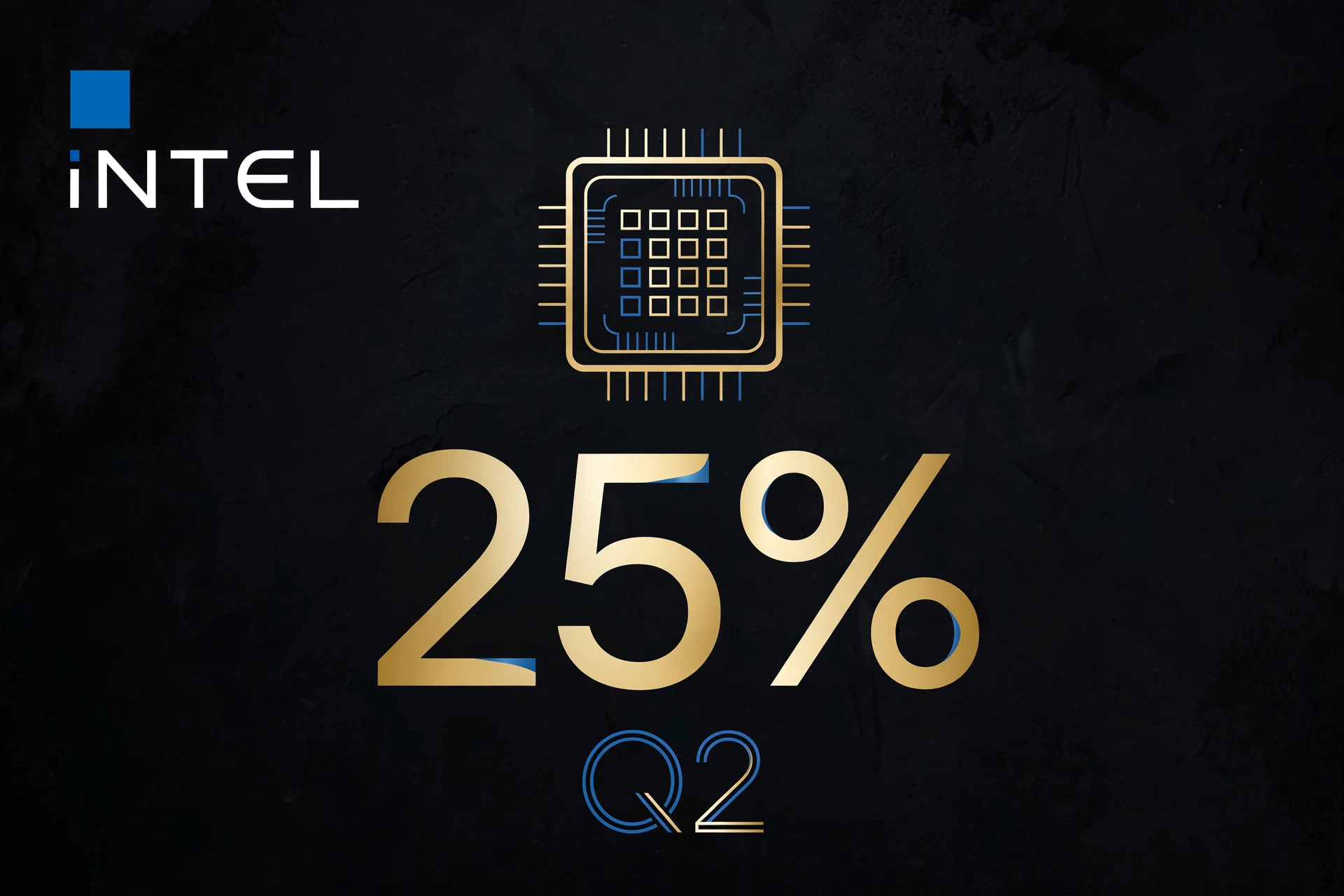
🚨 #IntelQ2RevenueSurges25%
AI Boom Is Turning Into Real Revenue
Intel is suddenly back in the spotlight, and this time the story is bigger than just a strong earnings headline. The company reportedly delivered Q2 revenue of $16.13 billion, up 25% year over year, significantly beating the $14.43 billion analyst estimate. Adjusted EPS also came in at $0.42, roughly double the expected $0.21.
🔥 The real headline, however, is the AI and Data Center business. Revenue from this segment reportedly surged 59% YoY to $6.26 billion, growing at more than twice Intel's overall pace. That is a major sig
INTC-7.90%
EagleEye
🚨 #IntelQ2RevenueSurges25%
AI Boom Is Turning Into Real Revenue
Intel is suddenly back in the spotlight, and this time the story is bigger than just a strong earnings headline. The company reportedly delivered Q2 revenue of $16.13 billion, up 25% year over year, significantly beating the $14.43 billion analyst estimate. Adjusted EPS also came in at $0.42, roughly double the expected $0.21.
🔥 The real headline, however, is the AI and Data Center business. Revenue from this segment reportedly surged 59% YoY to $6.26 billion, growing at more than twice Intel's overall pace. That is a major signal that the AI infrastructure boom is no longer limited to a handful of headline names—the demand for computing capacity is spreading across the semiconductor ecosystem.
⚡ Intel's Foundry business also showed meaningful acceleration, reportedly reaching $5.8 billion in revenue, up 31% YoY. The improvement from the previous quarter's growth rate suggests that demand for advanced computing and semiconductor manufacturing capacity is becoming an increasingly important part of the broader AI infrastructure story.
📈 Another factor catching the market's attention is forward guidance. Intel's Q3 revenue outlook of approximately $15.8B–$16.8B reportedly came in above the $15.06B consensus estimate, giving investors another reason to reassess the company's growth trajectory.
💥 The immediate market reaction was equally notable, with the stock reportedly jumping more than 13% in after-hours trading. That kind of move shows how aggressively markets can reprice semiconductor companies when earnings, AI demand, and forward guidance all surprise to the upside simultaneously.
💡 The Bigger Picture: AI infrastructure is becoming one of the most important market narratives. The next phase may not simply be about which company has the most powerful AI model—it could be about who supplies the chips, data-center capacity, manufacturing technology, networking, and power required to run the AI economy.
For crypto and tech traders, this is an important cross-market signal. Strong semiconductor demand can influence broader risk sentiment and may indirectly benefit sectors connected to AI, DePIN, GPU infrastructure, data centers, and computing networks. But traders should remember that a strong earnings report does not automatically mean every AI-related asset will rally.
🎯 Trader's Watchlist: Keep an eye on INTC alongside the broader semiconductor and AI infrastructure narrative. Watch price action after the initial gap, volume confirmation, and whether the market can hold higher levels rather than chasing the first explosive candle. In high-volatility environments, the post-news consolidation and retest can often provide a cleaner signal than the initial spike.
⚠️ Bottom Line: The important takeaway isn't just that Intel beat expectations. It's that AI demand is increasingly showing up in real revenue numbers across the infrastructure chain. If this trend continues, the market may start looking beyond the obvious AI leaders and toward the companies—and potentially crypto projects—that provide the underlying infrastructure needed for the next wave of computing demand.
AI demand is growing. The real battle now is who can build the infrastructure to keep up. 🚀💻
repost-content-media
  • Reward
  • 7
  • Repost
  • Share
IslandReversal:
This earnings report is genuinely impressive—AI demand is finally starting to roll out at scale, and Intel really pulled off a comeback nicely.
View More
go go
EagleEye
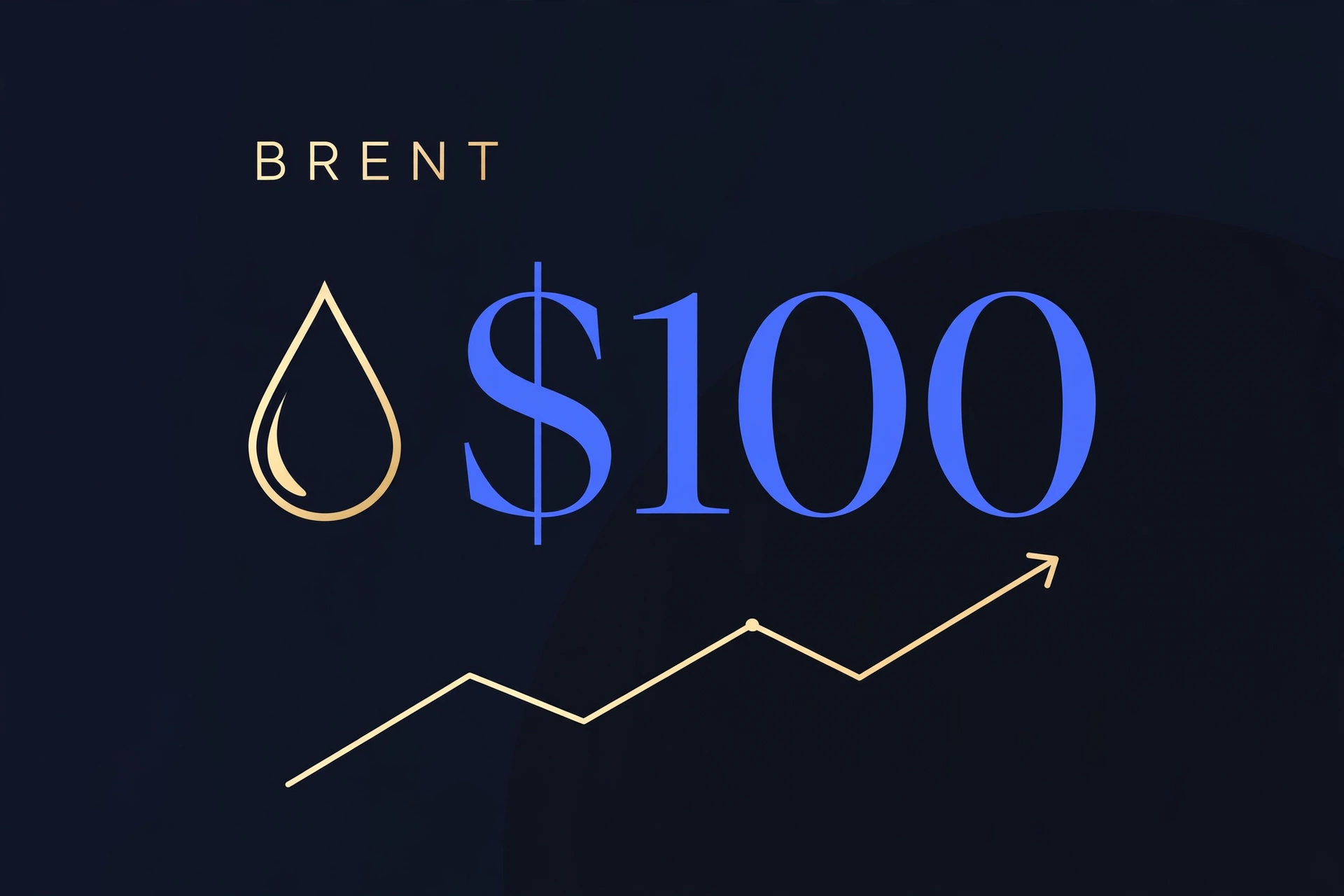
#BrentReturnsTo100
Oil Prices Surge as Middle East Tensions Shake Global Markets 🛢️📈
Brent crude is back above the $100 per barrel mark — and this time, the move is sending shockwaves far beyond the oil market.
Brent crude futures surged more than 7% to settle at $100.69 per barrel, breaking above $100 for the first time in two months. Meanwhile, WTI crude jumped 6.2% to $92.19, reflecting growing fears over potential disruptions to global oil supplies.
The latest rally was triggered by escalating tensions in the Middle East, following reports that Houthi rebels attacked two Saudi oil tankers in the Red Sea, with Saudi Arabia confirming that one vessel caught fire.
But the bigger concern is the threat to the world's most important energy shipping routes.
The Strait of Hormuz, one of the world's critical oil chokepoints, is reportedly facing severe disruption, while the Bab el-Mandeb Strait is also under growing threat.
Together, these developments have raised fears that global oil supplies could face serious disruptions if the situation continues to escalate.
Adding to the pressure, prompt Brent physical crude reportedly moved above $105 per barrel, highlighting how quickly concerns over immediate supply availability are spreading through the market.
The geopolitical situation is becoming even more complicated as former President Donald Trump warned of possible strikes against Iranian bridges and power plants, saying that Iran would be held responsible if Houthi attacks continue.
Markets are now watching every development closely.
📊 Goldman Sachs has warned that Brent could potentially rise toward $120 per barrel in Q4 if disruptions around the Strait of Hormuz continue through 2027.
And the consequences of a sustained oil shock could extend far beyond the energy sector.
Higher crude prices could push up fuel costs, transportation expenses, manufacturing costs, and consumer prices, potentially reigniting inflationary pressures across the global economy.
Financial markets are already reacting.
The 10-year U.S. Treasury yield climbed toward 4.7%, while the Nasdaq dropped 2.3%, as investors reassessed the outlook for inflation, interest rates, and economic growth.
At the same time, market expectations for a Federal Reserve rate hike next week reportedly climbed to around 25%.
This creates a difficult situation for central banks.
🔥 Higher oil prices → Higher inflation
📈 Higher inflation → Higher interest-rate expectations
🏦 Higher rates → More pressure on stocks and risk assets
📉 Falling stocks → Greater market volatility
In other words, the return of $100 Brent could become much more than just an energy-market story.
If the disruption remains temporary, oil prices could eventually cool as supply concerns ease.
But if tensions continue to escalate and critical shipping routes remain disrupted for an extended period, the world could be facing a much larger energy shock — with consequences for inflation, interest rates, currencies, consumer spending, and global economic growth.
The key question now is:
Is $100 Brent just a temporary spike — or the beginning of a much bigger oil shock?
One thing is certain: the global market is watching the Strait of Hormuz, the Bab el-Mandeb, and the broader Middle East situation more closely than ever.
The next few weeks could be critical for the global energy market — and potentially for the entire financial system.
🛢️ Oil is back above $100.
🌍 Geopolitical risks are rising.
📈 Inflation fears are returning.
🏦 Rate-cut expectations are being challenged.
📉 Markets are feeling the pressure.
The world may be entering a new phase of energy-driven market volatility.
repost-content-media
  • Reward
  • 3
  • Repost
  • Share
DappWhitelist:
Come on, come on, come on! Keep it up!
View More
impressive
EagleEye
#EventContractsLaunch
🚀 Gate Officially Launches Event Contracts with “Launch Carnival” Campaign
Gate has officially launched its new Event Contracts offering with an exciting “Launch Carnival” campaign, opening up a new way for users to engage with real-world events through event-based trading products.
During the campaign period, users who participate in Event Contracts and meet the required trading conditions can qualify for a range of rewards, including trial funds, fee rebates, and other campaign incentives.
One of the biggest highlights of the launch is the focus on simplicity and accessibility. According to the announcement, the rules are designed to be clear and transparent, while the entry barriers remain relatively low, allowing more users to explore this new type of market.
So, what exactly makes Event Contracts interesting?
Unlike traditional crypto trading products that are primarily based on the price movements of digital assets, Event Contracts use real-world events and their outcomes as the underlying reference. This creates a different way for users to engage with markets and express their views on events that happen in the real world.
The concept is relatively intuitive: users can participate based on their expectations of whether a particular event will happen or how a defined outcome may unfold. This brings an element of event-driven market participation into the broader trading ecosystem.
The launch of Event Contracts could also represent an important step in the evolution of exchange-based financial products. As the crypto and trading industry continues to expand, platforms are increasingly looking for new ways to connect digital markets with real-world developments.
Gate’s “Launch Carnival” campaign adds another layer of excitement to the rollout. Eligible users who participate during the promotional period and complete the required activities may receive campaign rewards, potentially making it easier for newcomers to explore the product and understand how Event Contracts work.
🎁 Potential campaign rewards include:
• Trial funds
• Trading fee rebates
• Other promotional incentives
• Opportunities to explore Event Contracts with campaign-based benefits
The launch also highlights a broader trend in the financial and crypto industry: the growing popularity of event-driven markets.
Markets are increasingly influenced by elections, economic data, policy decisions, geopolitical developments, sports, and other major real-world events. Event-based contracts offer users a way to engage with these developments through a structured market environment.
For users, the key attraction is the simplicity of the concept.
Instead of focusing solely on complex technical charts or long-term asset price predictions, Event Contracts allow participants to focus on a specific question or outcome tied to a real-world event.
Of course, as with any market-based product, users should carefully understand the rules, contract terms, settlement conditions, fees, and potential risks before participating. Rewards and promotional campaigns should also be viewed as incentives rather than guarantees of profit.
With the official launch of Event Contracts and the “Launch Carnival” campaign, Gate is positioning the product as a new and accessible way for users to interact with event-based markets.
The launch will be worth watching as more users discover this new format and as the Event Contracts ecosystem continues to develop.
🚀 Gate Event Contracts are officially live.
A new product.
A new way to engage with real-world events.
And a new campaign for users looking to explore the experience.
The “Launch Carnival” has officially begun. 🎉
👉 Would you try Event Contracts? What kind of real-world events would you like to see available?
repost-content-media
  • Reward
  • 6
  • Repost
  • Share
FiremanHodl:
No hype, no bias—this move is really impressive. Can you share the technical details?
View More
#SummerCreationCamp
Summer is the perfect time to create, experiment, learn, and bring new ideas to life. 🚀
This season, let’s turn creativity into action, explore new possibilities, and build something meaningful together. Whether it’s writing, designing, coding, creating content, or exploring new ideas — every creation starts with a simple thought.
✨ Create. Explore. Learn. Share. Repeat.
Let’s make this summer a season of creativity, innovation, and unforgettable creations!
EagleEye
#SummerCreationCamp
Summer is the perfect time to create, experiment, learn, and bring new ideas to life. 🚀
This season, let’s turn creativity into action, explore new possibilities, and build something meaningful together. Whether it’s writing, designing, coding, creating content, or exploring new ideas — every creation starts with a simple thought.
✨ Create. Explore. Learn. Share. Repeat.
Let’s make this summer a season of creativity, innovation, and unforgettable creations!
  • Reward
  • 4
  • Repost
  • Share
PrinceMagsi786:
To The Moon 🌕
View More
#SummerCreationCamp
What if this summer isn’t just about watching the future unfold — but about creating a piece of it?
The crypto industry moves fast. New ideas emerge every day, communities grow stronger, and innovation continues to reshape the way we think about finance, ownership, and digital identity.
But behind every great project is something simple: a creator with an idea and the courage to share it.
That’s why I’m excited about the Gate Plaza Summer Creative Camp.
For me, creativity in Web3 isn’t just about making content. It’s about sharing knowledge, starting conversations, simplif
EagleEye
#SummerCreationCamp
What if this summer isn’t just about watching the future unfold — but about creating a piece of it?
The crypto industry moves fast. New ideas emerge every day, communities grow stronger, and innovation continues to reshape the way we think about finance, ownership, and digital identity.
But behind every great project is something simple: a creator with an idea and the courage to share it.
That’s why I’m excited about the Gate Plaza Summer Creative Camp.
For me, creativity in Web3 isn’t just about making content. It’s about sharing knowledge, starting conversations, simplifying complex ideas, and helping more people understand the opportunities and challenges of this evolving ecosystem.
This summer, I want to focus on creating content that is:
🔹 Original — Ideas that come from genuine curiosity and personal perspective.
🔹 Useful — Content that teaches something people can actually take away.
🔹 Engaging — Posts that encourage discussion instead of simply chasing views.
🔹 Consistent — Because meaningful communities are built through continuous contribution.
🔹 Creative — Finding new ways to tell stories about technology, markets, and the future.
I believe the best creators aren’t necessarily the loudest voices in the room. They are the ones who consistently bring value, perspective, and authenticity to the conversation.
So this summer, my goal is simple:
Learn more. Create more. Share more. Build more.
If you’re also exploring Web3, crypto, trading, or blockchain, this is the perfect time to start creating. You don’t need to have all the answers. Sometimes, the most valuable content begins with a good question.
💡 What are you planning to create this summer?
Maybe it’s your first crypto article.
Maybe it’s your first educational thread.
Maybe it’s a new trading insight.
Or maybe it’s simply an idea you’ve been waiting for the right moment to share.
Whatever it is, start creating.
Because every great creator starts with one post.
And maybe your next post will be the one that inspires someone else to start their journey too. 🌱
Let’s make this summer a season of ideas, creativity, and meaningful contributions to Web3.
  • Reward
  • 5
  • Repost
  • Share
ProofOfVibes:
I really agree with your view that creators aren’t necessarily the loudest. Keeping out valuable content matters more than anything else, and I’m also planning to slowly build up from this summer onward.
View More
let's see
EagleEye
#Web3SecurityGuide
THE 2026 WEB3 WITHDRAWAL SECURITY GUIDE: How to Protect Your Funds, Avoid Account Restrictions & Make Safer Crypto Transfers
In the fast-evolving world of Web3, depositing and withdrawing digital assets requires more than simply entering a wallet address and clicking confirm—users must carefully verify the asset, blockchain network, complete destination address, memo or tag where required, and the final amount before every transaction, because mistakes involving the wrong network or incorrect address can be difficult or impossible to reverse; one emerging risk is address poisoning, where attackers create addresses that resemble legitimate ones in transaction history, making it essential to verify the complete address rather than relying only on familiar-looking characters, while phishing attacks and fake support accounts remain major threats, so users should never share passwords, two-factor authentication codes, recovery phrases, or private keys with anyone. Account restrictions or withdrawal delays can sometimes occur because of security checks, identity verification, payment-method holds, blockchain confirmations, Travel Rule requirements, or other compliance processes, and the safest response is to use the platform's official support channels, provide accurate information when legitimately requested, and avoid repeatedly attempting transactions or trusting strangers who claim they can "unlock" an account. Users can improve security by enabling strong authentication, using unique passwords, considering hardware security keys where supported, activating withdrawal address allowlisting or whitelisting, keeping devices updated, monitoring account activity, and maintaining records of legitimate transactions. Before making a large withdrawal, a small test transfer can provide an additional layer of protection, while every transaction should be checked carefully for the correct asset, network, address, memo or tag, fees, and recipient details. The modern Web3 security mindset is not about bypassing risk controls—it is about working with them: verify the destination, authenticate the account, confirm every transaction, follow legitimate compliance requirements, and keep clear records. If a card is frozen or an account is restricted, remain calm, review the official notification, secure the account if unauthorized access is suspected, and contact the platform through its verified support system; never trust unsolicited messages or pay unknown individuals promising to restore access. Ultimately, Web3 security is a combination of technology and personal discipline: Verify → Authenticate → Confirm → Test → Transfer → Record. Your wallet may be digital, but the responsibility for protecting it is very real. Educational content only; security procedures, withdrawal holds, and regulatory requirements vary by platform and jurisdiction, so always follow the official policies of the service you use.
  • Reward
  • 3
  • Repost
  • Share
PrinceMagsi786:
To The Moon 🌕
View More
#Web3SecurityGuide
THE 2026 WEB3 SECURITY REALITY: WHAT REALLY HAPPENS BEHIND CRYPTO DEPOSITS, WITHDRAWALS, WALLET CHECKS & ACCOUNT RESTRICTIONS
The Web3 world has changed significantly, and crypto transfers are no longer just about entering a wallet address and pressing Send. Every transaction can involve multiple layers of security, including blockchain confirmations, network compatibility, account authentication, withdrawal controls, transaction monitoring, wallet verification, and platform-specific compliance procedures. Understanding these factors is becoming essential for anyone who reg
EagleEye
#Web3SecurityGuide
THE 2026 WEB3 SECURITY REALITY: WHAT REALLY HAPPENS BEHIND CRYPTO DEPOSITS, WITHDRAWALS, WALLET CHECKS & ACCOUNT RESTRICTIONS
The Web3 world has changed significantly, and crypto transfers are no longer just about entering a wallet address and pressing Send. Every transaction can involve multiple layers of security, including blockchain confirmations, network compatibility, account authentication, withdrawal controls, transaction monitoring, wallet verification, and platform-specific compliance procedures. Understanding these factors is becoming essential for anyone who regularly moves digital assets between exchanges and wallets.
One of the most overlooked risks is the wrong-network problem. The same crypto asset may exist across several blockchain networks, but that does not mean every network is interchangeable. If the sending network and receiving network are not correctly matched, the funds may not appear as expected and recovery can be difficult or unavailable. Before every important transfer, users should verify the asset, network, destination address, and any required memo or tag rather than relying on memory.
Another modern threat is address poisoning, a technique that takes advantage of human behavior rather than directly attacking the blockchain itself. An attacker may create an address that looks similar to one previously used by the victim and attempt to make it appear familiar in transaction history. If the user later copies the wrong address without carefully checking it, the transfer can go to an unintended destination. This is why experienced users verify the complete address, use trusted address-book features, and consider a small test transaction before sending a large amount.
The biggest mistake in Web3 is assuming that a transaction is safe simply because the address looks familiar. Wallet addresses are long strings of characters, and people naturally tend to check only the beginning and ending portions. That habit can create an opportunity for mistakes or deception. For significant transfers, the destination should be independently verified from a trusted source, and the final transaction details should be reviewed immediately before confirmation.
Withdrawal delays are another area that often creates confusion. A delayed withdrawal does not automatically mean that funds have disappeared or that the platform has failed. Security systems may temporarily delay transactions because of a new withdrawal address, recent account changes, unusual login activity, additional authentication requirements, payment verification, blockchain confirmations, or a manual review. In many situations, the delay exists precisely because the platform's security system is trying to prevent an unauthorized transfer.
A new withdrawal address can also receive additional scrutiny compared with an address that has been used repeatedly. This is a logical security measure because an attacker who gains access to an account may attempt to immediately add a new destination and withdraw funds. Some platforms therefore use address allowlisting, waiting periods, confirmation emails, or additional authentication before allowing withdrawals to newly added destinations. These controls can feel inconvenient, but they are designed to create an additional barrier between account compromise and fund loss.
The Travel Rule and evolving regulatory frameworks have also changed how some crypto transfers are processed. Depending on the jurisdiction and service involved, users may be asked for information about the sender, recipient, destination platform, or nature of the transfer. Some platforms may also ask users to confirm or verify control of a self-hosted wallet. These procedures are not identical everywhere, but the overall direction is clear: regulated crypto services increasingly combine blockchain technology with identity, transaction, and compliance checks.
This creates an important difference between custodial and self-custodial wallets. With a custodial exchange, the platform manages the underlying private keys and can apply security controls, account reviews, and withdrawal restrictions. With self-custody, the user has direct control over the wallet, but the responsibility also increases dramatically. If a recovery phrase is lost or exposed, there may be no central institution capable of reversing the situation.
The human factor remains one of the biggest security risks in the entire ecosystem. A wrong address, wrong network, incorrect memo, fake support message, phishing page, compromised device, or rushed approval can cause serious consequences. Blockchain systems generally execute valid transactions exactly as instructed; they do not know whether the instruction was intentional or accidental. This is why transaction discipline is just as important as technical security.
Account restrictions can also happen for many different reasons, including unusual access patterns, security concerns, identity verification issues, payment reversals, transaction reviews, or platform-specific compliance requirements. A restriction does not automatically prove that the account owner has done anything wrong. The correct response is to read the official notification carefully, secure the account if unauthorized access is suspected, and use the platform's verified support process rather than relying on strangers or unofficial intermediaries.
If an account is restricted, repeatedly attempting the same transaction is usually not the smartest response. The better approach is to identify the exact issue, review recent account activity, check security settings, and respond to legitimate verification requests through official channels. Users should also keep records of transaction IDs, account notifications, and relevant payment documentation because accurate records can help explain legitimate activity during a review.
One of the most important security improvements a user can make is to develop a consistent pre-withdrawal verification routine. Before sending funds, confirm the asset, network, complete destination address, memo or tag, recipient, amount, fee, and final transaction details. If the transfer is significant, a small test transaction can provide another layer of protection. No method eliminates every risk, but a disciplined process can substantially reduce the chance of a preventable mistake.
Security should also be viewed as a layered system rather than a single feature. Strong passwords protect the account, two-factor authentication protects access, device security protects the login environment, address allowlisting protects withdrawal destinations, transaction verification protects against human error, and careful recordkeeping helps during disputes or reviews. The strongest security posture comes from combining these layers instead of depending on only one.
The future of Web3 security is increasingly focused on transaction intent and destination verification, not simply account login. Security systems are becoming more interested in where funds are going, whether the destination is trusted, whether the activity matches normal account behavior, and whether additional verification is required. This means that the modern Web3 user needs to understand not only how to use a wallet, but also how exchanges and blockchain platforms evaluate transaction risk.
The most important lesson is simple: never rush a crypto transaction because someone tells you to act immediately. Verify the destination independently, check the network carefully, review the complete transaction details, and use official channels whenever an account or withdrawal issue appears. Never share your recovery phrase, private key, password, or authentication codes with anyone claiming to be support.
The 2026 Web3 security mindset is not about finding shortcuts around security systems—it is about understanding how those systems work and using them correctly. Verify the asset. Verify the network. Verify the complete address. Verify the recipient. Review the amount. Authenticate the transaction. Confirm only when everything matches.
In Web3, the blockchain can execute your transaction perfectly—but it cannot determine whether you made the right decision before pressing Confirm. That responsibility still belongs to you.
repost-content-media
  • Reward
  • 6
  • Repost
  • Share
LeverageBump:
Security is stacking armor, not a single layer: weak passwords + 2FA + an address whitelist + test transactions—missing even one layer could cause you to crash on some vulnerability.
View More
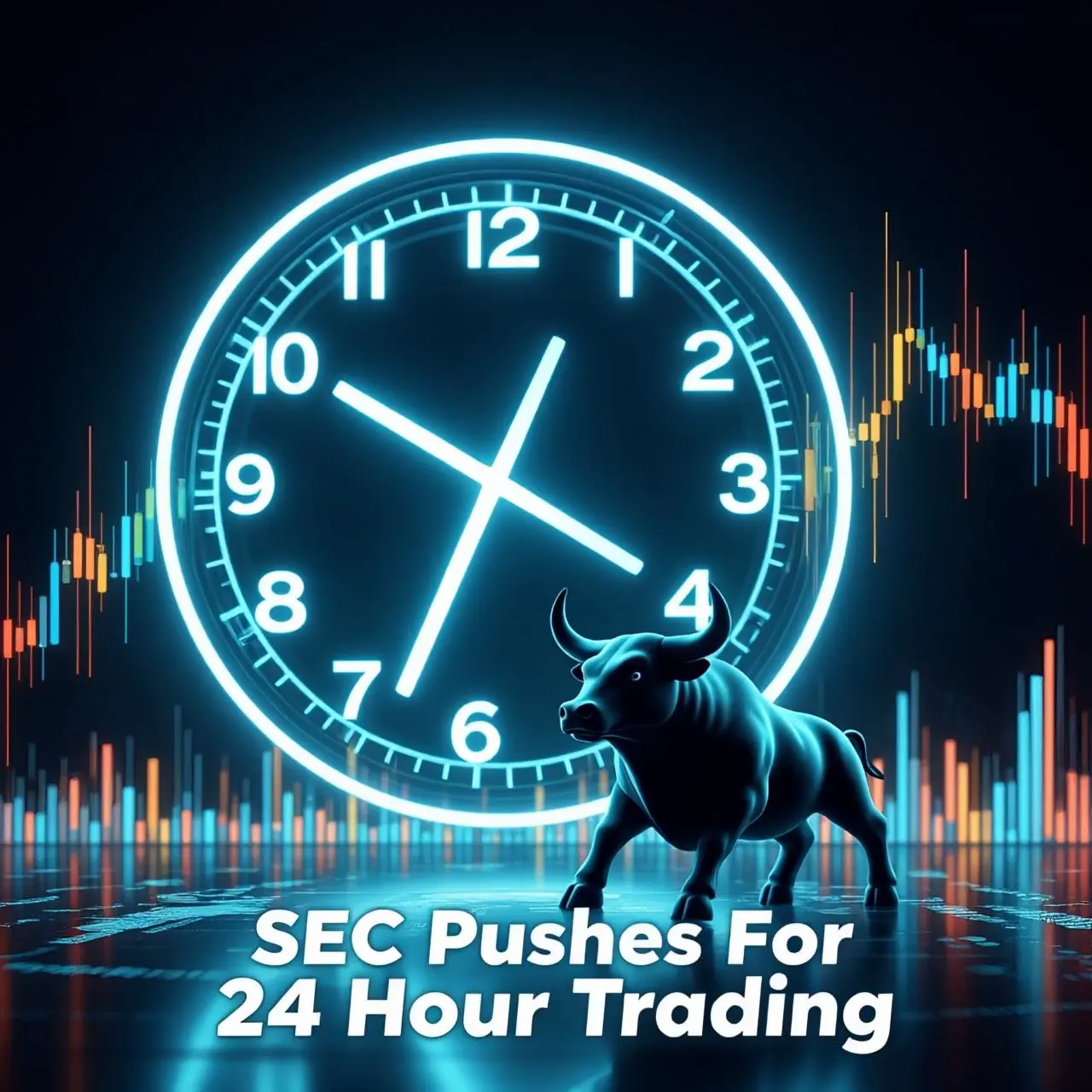
#SECPushesFor24HourTrading
THE 24-HOUR WALL STREET SHIFT: WHY U.S. STOCK MARKETS ARE MOVING TOWARD A NEW TRADING ERA
The idea of 24-hour trading in U.S. equities is moving from a futuristic concept toward a serious market-structure discussion. The SEC and industry participants have been examining how U.S. stock markets could expand trading beyond traditional daytime sessions, driven partly by growing global demand and the reality that investors already operate across different time zones. But an important distinction must be made: the United States is not yet operating one fully continuous 2
EagleEye
#SECPushesFor24HourTrading
THE 24-HOUR WALL STREET SHIFT: WHY U.S. STOCK MARKETS ARE MOVING TOWARD A NEW TRADING ERA
The idea of 24-hour trading in U.S. equities is moving from a futuristic concept toward a serious market-structure discussion. The SEC and industry participants have been examining how U.S. stock markets could expand trading beyond traditional daytime sessions, driven partly by growing global demand and the reality that investors already operate across different time zones. But an important distinction must be made: the United States is not yet operating one fully continuous 24/7 stock market. The transition is being developed through exchange proposals, infrastructure upgrades, regulatory decisions, and industry coordination.
The move toward longer trading hours is about much more than simply keeping an exchange open for additional hours. The entire financial ecosystem surrounding a trade must be capable of functioning reliably, including market data, order execution, clearing, settlement, surveillance, and risk management. This is why the transition requires careful planning and regulatory consideration. Extending the clock is relatively simple; building a reliable market infrastructure around those additional hours is the real challenge.
One of the strongest arguments for extended trading is global accessibility. U.S. stocks are followed by investors around the world, but traditional market hours are centered on U.S. time zones. Longer sessions could allow investors in Asia, Europe, and other regions to react to information closer to when it becomes available rather than waiting for the next U.S. market open. This could make U.S. markets more competitive internationally and potentially reduce the gap between when major news occurs and when investors can trade on it.
The influence of crypto is also difficult to ignore. Digital-asset markets have operated continuously for years, creating an environment where investors are accustomed to reacting to events at almost any hour. Traditional equity markets are now facing a world where economic news, geopolitical developments, corporate announcements, and global market movements do not stop when the New York trading session ends. The pressure for longer hours is therefore partly about adapting traditional markets to a more globally connected financial environment.
However, 24-hour access does not automatically mean 24-hour liquidity. This is one of the most important points investors need to understand. During overnight periods, fewer institutional participants may be active, trading volumes can be thinner, and bid-ask spreads may become wider. A stock that normally trades with deep liquidity during the main U.S. session may behave very differently when fewer buyers and sellers are available. Extended trading could therefore improve access while simultaneously creating conditions in which execution quality becomes more important.
This creates a major question about price discovery. If fewer participants are trading overnight, how accurately does the price reflect the market's broader consensus value? A large order placed during a thin session could potentially move a stock more than the same order would during peak trading hours. Extended trading could improve information flow, but investors will still need to understand the difference between having access to a market and having access to deep, competitive liquidity.
The technology behind the market must also evolve. A genuine expansion of trading hours requires more than an exchange opening its order book. Market data systems, clearing infrastructure, trade reporting, settlement processes, cybersecurity, and supporting systems must operate reliably during extended sessions. The transition is therefore a market-wide transformation rather than a simple change to the opening and closing times.
Another critical issue is corporate news. Imagine a major company releasing unexpected earnings information overnight. In a traditional market structure, investors may have to wait for the next regular session to fully react. With broader overnight access, the market could respond much sooner. That may improve information efficiency, but it could also mean that investors who are asleep or unavailable during those hours face a different competitive environment from professional firms operating around the clock.
The expansion also raises questions about retail investor protection. More trading hours can mean more flexibility, but flexibility is not the same as safety. Newer investors may be tempted to react immediately to breaking news during low-liquidity periods without fully understanding spreads, volatility, or execution risk. The ability to trade at 2:00 a.m. does not necessarily mean that 2:00 a.m. is the best time to trade.
The move toward extended hours also has implications for brokers and trading platforms. Systems that currently rely on specific market-open and market-close cycles may need to adapt their risk management, customer support, margin processes, order handling, and operational controls. A longer trading day can increase the amount of time during which systems must remain fully operational and monitored, creating additional technical and regulatory responsibilities.
The competitive pressure among exchanges is also becoming increasingly important. Several market operators have explored or proposed extended trading schedules, while the regulatory environment continues to develop. The exact final structure of U.S. extended-hours trading is not simply a matter of one company deciding to open longer; it depends on regulatory approvals, exchange rules, infrastructure, and coordination across the broader market ecosystem.
The most interesting part of this transformation is that the industry may not immediately jump from traditional hours to a perfect 24/7 stock market. A more realistic path could involve progressively longer sessions, overnight trading windows, and eventually more continuous market access. The difference matters because each additional hour introduces new requirements for liquidity, infrastructure, market data, clearing, surveillance, and investor protection.
There is also a potential benefit for global risk management. If investors can trade U.S. securities for longer periods, they may have more opportunities to adjust exposure when international events occur. For example, a major economic announcement in Asia could potentially be reflected in U.S. equity prices without waiting for the next regular session. This could reduce some overnight gaps, although it would not eliminate volatility or guarantee smoother markets.
At the same time, longer trading hours could create a more demanding environment for investors. If markets are available nearly all the time, the psychological pressure to constantly monitor prices could increase. The traditional separation between "market time" and "non-market time" would become less meaningful. Investors may gain flexibility, but they may also face greater temptation to overtrade and react emotionally to short-term movements.
The deeper lesson is that 24-hour trading is not simply about convenience. It represents a structural change in how financial markets operate. The transition affects exchanges, brokers, clearing systems, market-data providers, institutional investors, retail traders, regulators, and technology infrastructure simultaneously. The success of the model will depend not only on whether investors want more hours, but on whether the entire financial ecosystem can deliver reliable execution and investor protection across those hours.
The comparison with crypto is useful—but it has limits. Crypto markets were designed around continuous digital operation, while U.S. equities operate within a highly regulated market structure involving exchanges, clearing systems, reporting requirements, and investor-protection rules. Traditional finance cannot simply copy the crypto model overnight. It must build the infrastructure and regulatory framework necessary to support longer access without sacrificing market integrity.
The biggest story is not that Wall Street is suddenly becoming crypto. The real story is that the boundaries between global finance, technology, and trading hours are being redefined. The future may bring a U.S. equity market that is accessible for dramatically longer periods than today, but the real challenge will be ensuring that extended access comes with sufficient liquidity, reliable infrastructure, transparent pricing, strong surveillance, and meaningful investor protection.
24-hour trading could make U.S. markets more global, more responsive, and more accessible—but it could also introduce new risks that investors have never faced at this scale. The clock may be changing, but the fundamental rule remains the same: more access does not automatically mean better execution. The next era of Wall Street will be defined not simply by how long markets are open, but by how safely and efficiently they operate when the world is watching around the clock.
repost-content-media
  • Reward
  • 5
  • Repost
  • Share
PrinceMagsi786:
To The Moon 🌕
View More
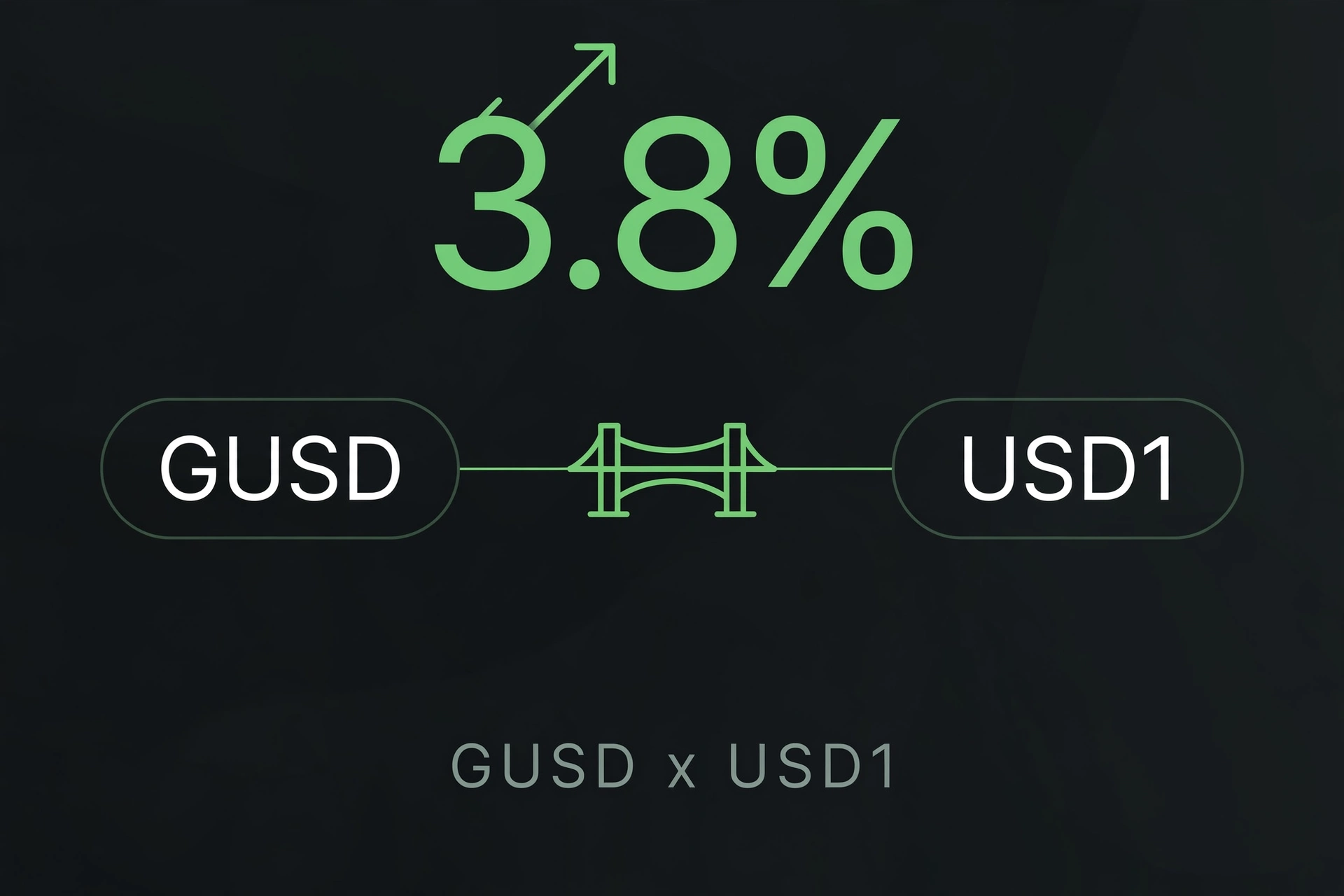
#GUSDYieldRisesto3.8%
THE 24-HOUR WALL STREET SHIFT: WHY U.S. STOCK MARKETS ARE MOVING TOWARD A NEW TRADING ERA
The idea of 24-hour trading in U.S. equities is moving from a futuristic concept toward a serious market-structure discussion. The SEC and industry participants have been examining how U.S. stock markets could expand trading beyond traditional daytime sessions, driven partly by growing global demand and the reality that investors already operate across different time zones. But an important distinction must be made: the United States is not yet operating one fully continuous 24/7 st
EagleEye
#GUSDYieldRisesto3.8%
THE 24-HOUR WALL STREET SHIFT: WHY U.S. STOCK MARKETS ARE MOVING TOWARD A NEW TRADING ERA
The idea of 24-hour trading in U.S. equities is moving from a futuristic concept toward a serious market-structure discussion. The SEC and industry participants have been examining how U.S. stock markets could expand trading beyond traditional daytime sessions, driven partly by growing global demand and the reality that investors already operate across different time zones. But an important distinction must be made: the United States is not yet operating one fully continuous 24/7 stock market. The transition is being developed through exchange proposals, infrastructure upgrades, regulatory decisions, and industry coordination.
The move toward longer trading hours is about much more than simply keeping an exchange open for additional hours. The entire financial ecosystem surrounding a trade must be capable of functioning reliably, including market data, order execution, clearing, settlement, surveillance, and risk management. This is why the transition requires careful planning and regulatory consideration. Extending the clock is relatively simple; building a reliable market infrastructure around those additional hours is the real challenge.
One of the strongest arguments for extended trading is global accessibility. U.S. stocks are followed by investors around the world, but traditional market hours are centered on U.S. time zones. Longer sessions could allow investors in Asia, Europe, and other regions to react to information closer to when it becomes available rather than waiting for the next U.S. market open. This could make U.S. markets more competitive internationally and potentially reduce the gap between when major news occurs and when investors can trade on it.
The influence of crypto is also difficult to ignore. Digital-asset markets have operated continuously for years, creating an environment where investors are accustomed to reacting to events at almost any hour. Traditional equity markets are now facing a world where economic news, geopolitical developments, corporate announcements, and global market movements do not stop when the New York trading session ends. The pressure for longer hours is therefore partly about adapting traditional markets to a more globally connected financial environment.
However, 24-hour access does not automatically mean 24-hour liquidity. This is one of the most important points investors need to understand. During overnight periods, fewer institutional participants may be active, trading volumes can be thinner, and bid-ask spreads may become wider. A stock that normally trades with deep liquidity during the main U.S. session may behave very differently when fewer buyers and sellers are available. Extended trading could therefore improve access while simultaneously creating conditions in which execution quality becomes more important.
This creates a major question about price discovery. If fewer participants are trading overnight, how accurately does the price reflect the market's broader consensus value? A large order placed during a thin session could potentially move a stock more than the same order would during peak trading hours. Extended trading could improve information flow, but investors will still need to understand the difference between having access to a market and having access to deep, competitive liquidity.
The technology behind the market must also evolve. A genuine expansion of trading hours requires more than an exchange opening its order book. Market data systems, clearing infrastructure, trade reporting, settlement processes, cybersecurity, and supporting systems must operate reliably during extended sessions. The transition is therefore a market-wide transformation rather than a simple change to the opening and closing times.
Another critical issue is corporate news. Imagine a major company releasing unexpected earnings information overnight. In a traditional market structure, investors may have to wait for the next regular session to fully react. With broader overnight access, the market could respond much sooner. That may improve information efficiency, but it could also mean that investors who are asleep or unavailable during those hours face a different competitive environment from professional firms operating around the clock.
The expansion also raises questions about retail investor protection. More trading hours can mean more flexibility, but flexibility is not the same as safety. Newer investors may be tempted to react immediately to breaking news during low-liquidity periods without fully understanding spreads, volatility, or execution risk. The ability to trade at 2:00 a.m. does not necessarily mean that 2:00 a.m. is the best time to trade.
The move toward extended hours also has implications for brokers and trading platforms. Systems that currently rely on specific market-open and market-close cycles may need to adapt their risk management, customer support, margin processes, order handling, and operational controls. A longer trading day can increase the amount of time during which systems must remain fully operational and monitored, creating additional technical and regulatory responsibilities.
The competitive pressure among exchanges is also becoming increasingly important. Several market operators have explored or proposed extended trading schedules, while the regulatory environment continues to develop. The exact final structure of U.S. extended-hours trading is not simply a matter of one company deciding to open longer; it depends on regulatory approvals, exchange rules, infrastructure, and coordination across the broader market ecosystem.
The most interesting part of this transformation is that the industry may not immediately jump from traditional hours to a perfect 24/7 stock market. A more realistic path could involve progressively longer sessions, overnight trading windows, and eventually more continuous market access. The difference matters because each additional hour introduces new requirements for liquidity, infrastructure, market data, clearing, surveillance, and investor protection.
There is also a potential benefit for global risk management. If investors can trade U.S. securities for longer periods, they may have more opportunities to adjust exposure when international events occur. For example, a major economic announcement in Asia could potentially be reflected in U.S. equity prices without waiting for the next regular session. This could reduce some overnight gaps, although it would not eliminate volatility or guarantee smoother markets.
At the same time, longer trading hours could create a more demanding environment for investors. If markets are available nearly all the time, the psychological pressure to constantly monitor prices could increase. The traditional separation between "market time" and "non-market time" would become less meaningful. Investors may gain flexibility, but they may also face greater temptation to overtrade and react emotionally to short-term movements.
The deeper lesson is that 24-hour trading is not simply about convenience. It represents a structural change in how financial markets operate. The transition affects exchanges, brokers, clearing systems, market-data providers, institutional investors, retail traders, regulators, and technology infrastructure simultaneously. The success of the model will depend not only on whether investors want more hours, but on whether the entire financial ecosystem can deliver reliable execution and investor protection across those hours.
The comparison with crypto is useful—but it has limits. Crypto markets were designed around continuous digital operation, while U.S. equities operate within a highly regulated market structure involving exchanges, clearing systems, reporting requirements, and investor-protection rules. Traditional finance cannot simply copy the crypto model overnight. It must build the infrastructure and regulatory framework necessary to support longer access without sacrificing market integrity.
The biggest story is not that Wall Street is suddenly becoming crypto. The real story is that the boundaries between global finance, technology, and trading hours are being redefined. The future may bring a U.S. equity market that is accessible for dramatically longer periods than today, but the real challenge will be ensuring that extended access comes with sufficient liquidity, reliable infrastructure, transparent pricing, strong surveillance, and meaningful investor protection.
24-hour trading could make U.S. markets more global, more responsive, and more accessible—but it could also introduce new risks that investors have never faced at this scale. The clock may be changing, but the fundamental rule remains the same: more access does not automatically mean better execution. The next era of Wall Street will be defined not simply by how long markets are open, but by how safely and efficiently they operate when the world is watching around the clock.
repost-content-media
  • Reward
  • 4
  • Repost
  • Share
ContractHawk:
24-hour trading sounds like progress, but retail traders should be most wary of slippage risk under low liquidity.
View More
#EsportsTradingSeason
ESPORTS TRADING SEASON 2026: WHY LEAGUE OF LEGENDS, DOTA 2, CS2 & VALORANT ARE TURNING COMPETITIVE GAMING INTO A GLOBAL MARKET
The 2026 esports calendar is entering a highly active period, with major competitive scenes across League of Legends, Dota 2, Counter-Strike 2, and VALORANT generating intense attention from fans, teams, players, creators, sponsors, and the broader gaming industry. At the same time, major tournaments such as the Esports World Cup, LPL, and LCK are helping create a continuous global esports ecosystem where multiple competitions are taking place ac
EagleEye
#EsportsTradingSeason
ESPORTS TRADING SEASON 2026: WHY LEAGUE OF LEGENDS, DOTA 2, CS2 & VALORANT ARE TURNING COMPETITIVE GAMING INTO A GLOBAL MARKET
The 2026 esports calendar is entering a highly active period, with major competitive scenes across League of Legends, Dota 2, Counter-Strike 2, and VALORANT generating intense attention from fans, teams, players, creators, sponsors, and the broader gaming industry. At the same time, major tournaments such as the Esports World Cup, LPL, and LCK are helping create a continuous global esports ecosystem where multiple competitions are taking place across different regions and titles rather than relying on a single championship season.
The most important change in modern esports is the scale of the ecosystem. Competitive gaming is no longer built around one game or one tournament organizer. It is a network of leagues, international events, regional competitions, team organizations, publishers, broadcasters, streaming platforms, sponsors, and millions of viewers. This creates a much larger commercial environment, where the success of one major tournament can influence the visibility and business opportunities of an entire game.
League of Legends remains one of the most established esports ecosystems, with regional leagues such as the LPL and LCK serving as major competitive centers. These leagues are not simply collections of matches; they function as long-term development systems for professional players and teams. The strength of these ecosystems comes from consistent competition, established fan communities, recognizable organizations, and a deep history of international rivalries.
Dota 2 represents a different model, with its competitive ecosystem strongly associated with international tournaments and a global player base. The game's competitive identity has historically been built around high-level strategic depth, professional teams, and major international events. This creates a unique environment where regional competition and global tournaments can generate enormous attention, particularly when the world's strongest teams meet on the same stage.
Counter-Strike 2 continues to occupy a special position in esports because of its long competitive history and strong tournament culture. The game has developed an ecosystem where professional teams compete across multiple events throughout the year, creating continuous storylines around player transfers, team performance, tactical changes, and international rivalries. Its strength is partly driven by the simplicity of its core competitive objective combined with an extremely high skill ceiling.
VALORANT, meanwhile, has rapidly developed into one of the most important modern esports titles. Its competitive ecosystem combines regional leagues with international tournaments, creating a structured path from local competition to the global stage. The game's growing professional scene demonstrates how quickly a relatively young competitive title can build an international audience when strong publisher support, professional infrastructure, and fan engagement come together.
The Esports World Cup has added another major dimension to the competitive gaming landscape by bringing multiple games together under one large event structure. This multi-title approach is significant because it presents esports as a broader entertainment category rather than treating each game as an isolated ecosystem. Fans who primarily follow one title can potentially discover other competitive games through the same event.
The rise of multi-game events also creates new opportunities for professional organizations. Traditional esports teams can compete across multiple titles, allowing them to build broader brand identities instead of depending entirely on a single game. This diversification can be valuable because competitive gaming titles have different life cycles, audiences, publishers, and competitive structures.
However, esports is not without its challenges. The industry must deal with rising operational costs, player health, tournament sustainability, changing game popularity, audience fragmentation, and the financial pressures facing professional organizations. Unlike traditional sports, esports games are controlled by publishers, meaning the long-term competitive environment can be influenced heavily by decisions regarding game updates, tournament structures, licensing, and ecosystem development.
One of the most important factors in esports success is competitive integrity. Professional tournaments require strong anti-cheat systems, fair rules, reliable refereeing, technical infrastructure, and transparent disciplinary procedures. As prize pools and commercial attention increase, maintaining trust becomes even more important. Fans need confidence that matches are decided by player performance rather than technical failures or unfair advantages.
Another major factor is the relationship between players and organizations. Professional esports careers can be relatively short, and players face intense schedules, constant travel, public pressure, and the need to adapt to frequent game updates. The strongest organizations increasingly recognize that player development, coaching, mental preparation, physical health, and sustainable scheduling are all connected to long-term competitive performance.
The esports audience is also becoming more global and more fragmented. A fan might watch LCK in the morning, follow a CS2 tournament later, and then watch a VALORANT match at night. This creates enormous opportunities for broadcasters and sponsors, but it also creates competition for audience attention. Tournament organizers must compete not only against other esports events but against every form of digital entertainment available to viewers.
This is where streaming and creator culture become extremely important. Modern esports does not exist only inside the tournament broadcast. Players, teams, influencers, streamers, analysts, and content creators all contribute to the visibility of a game. A major tournament can generate millions of views, but the surrounding content ecosystem can keep the conversation alive before and after the competition.
The business model is also evolving. Sponsorships remain important, but esports organizations increasingly need diversified revenue sources, including merchandise, media rights, partnerships, ticketing, content, and digital products. The challenge is building sustainable businesses rather than relying entirely on tournament prize money or short-term investment.
The current esports landscape therefore represents something much larger than a collection of gaming tournaments. EWC, LPL, LCK, League of Legends, Dota 2, CS2, and VALORANT are different parts of a rapidly evolving competitive ecosystem. Each title has its own culture, competitive structure, audience, and business model, but together they demonstrate how gaming has become a global spectator industry.
The biggest question for the future is not whether esports will continue to grow—it is how sustainable that growth will be. The industry now has enormous audiences and international visibility, but its next stage will depend on building stable leagues, supporting professional players, maintaining competitive integrity, improving tournament economics, and creating experiences that keep fans engaged year after year.
The 2026 esports season is more than a schedule of tournaments. It is a global competition for players, teams, audiences, sponsors, and attention. As League of Legends, Dota 2, CS2, VALORANT, and multi-title events continue to expand their reach, the real battle may not only be happening inside the game—it is also happening for the future of esports itself.
repost-content-media
  • Reward
  • 4
  • Repost
  • Share
SatoshiPilgrim:
This article explains in depth the diversification and commercialization of the esports ecosystem—the direction for the future is interconnected, multi-tournament collaboration.
View More
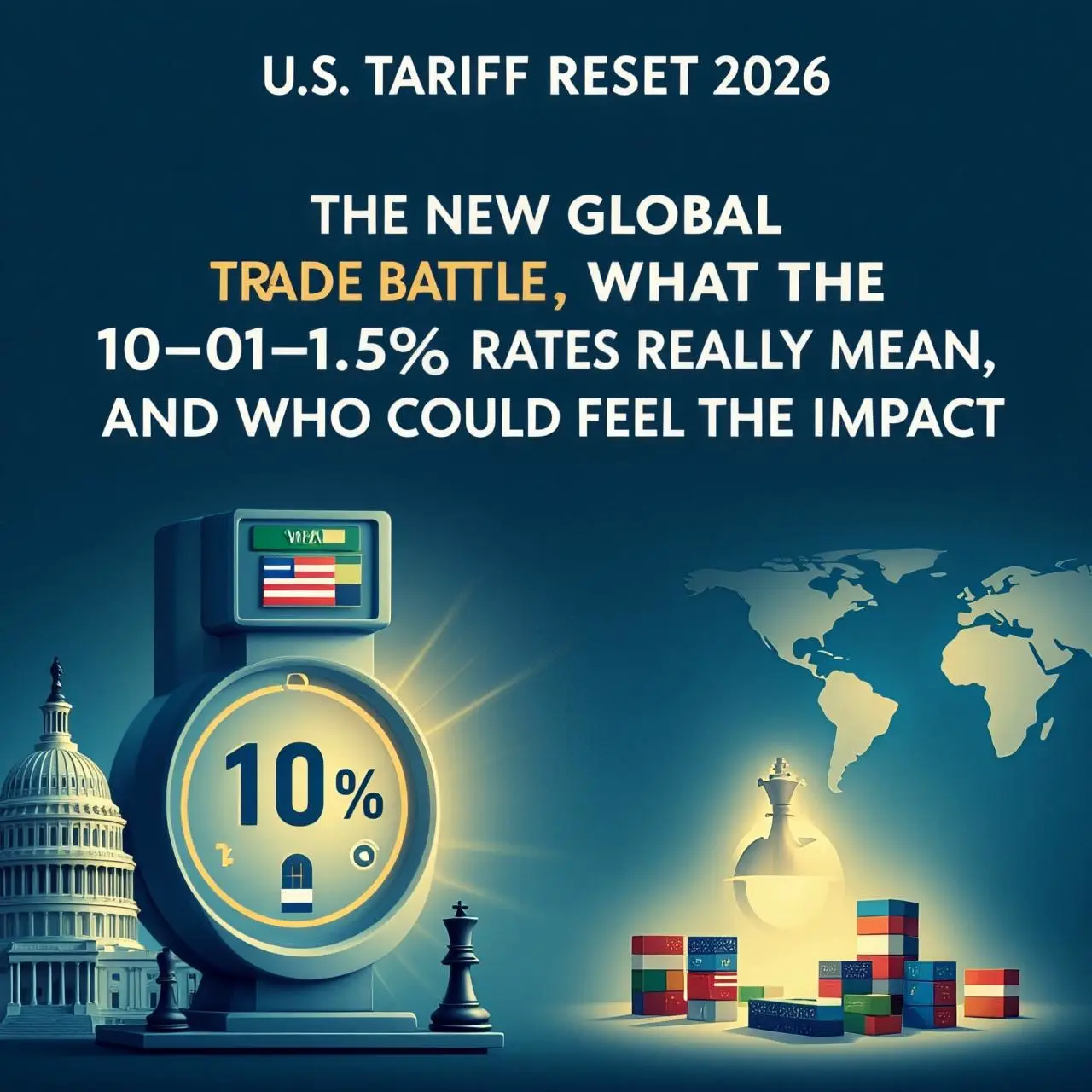
#UStoImpose10To12.5PercentTariffsOn60Economies
U.S. TARIFF RESET 2026: THE NEW GLOBAL TRADE BATTLE, WHAT THE 10%–12.5% RATES REALLY MEAN, AND WHO COULD FEEL THE IMPACT
The screenshot describes a major U.S. tariff announcement involving dozens of economies, but the headline numbers alone do not tell the full story. Tariffs are not simply a tax that appears out of nowhere on foreign companies; they are duties collected by the importing country, usually from the importer at the border. The economic impact can then be distributed through the supply chain, potentially affecting importers, manufact
EagleEye
#UStoImpose10To12.5PercentTariffsOn60Economies
U.S. TARIFF RESET 2026: THE NEW GLOBAL TRADE BATTLE, WHAT THE 10%–12.5% RATES REALLY MEAN, AND WHO COULD FEEL THE IMPACT
The screenshot describes a major U.S. tariff announcement involving dozens of economies, but the headline numbers alone do not tell the full story. Tariffs are not simply a tax that appears out of nowhere on foreign companies; they are duties collected by the importing country, usually from the importer at the border. The economic impact can then be distributed through the supply chain, potentially affecting importers, manufacturers, retailers, consumers, and foreign exporters depending on how businesses respond.
The first factor to understand is who actually pays the tariff at the border. If a U.S. company imports a product subject to a 10% tariff, the U.S. importer generally pays the duty to the government. That importer may then absorb the additional cost, negotiate lower prices with suppliers, reduce other expenses, or pass some or all of the increase to customers. The final economic burden therefore depends on the structure of the market and the bargaining power of the companies involved.
A tariff rate of 10% or 12.5% does not automatically mean consumer prices will rise by exactly 10% or 12.5%. The actual effect depends on the product, the country's share of the supply chain, existing trade agreements, currency movements, transportation costs, and whether businesses can find alternative suppliers. In highly competitive markets, companies may absorb part of the cost to protect market share. In markets with limited alternatives, a greater portion may eventually reach consumers.
The most important distinction in the screenshot is between broad tariffs and sector-specific tariffs. Some products may already face separate duties under specific trade measures, while others may be covered by exemptions or existing agreements. This means that the headline tariff rate cannot automatically be applied to every product imported from a particular country. The exact classification of the product and the rules governing its origin can determine the actual duty.
For companies, the biggest immediate concern may be supply-chain planning. Businesses that depend heavily on imported components could face higher costs even when the final product is manufactured in the United States. A tariff on an input can move through several stages of production before reaching the final customer. This is why trade policy can affect domestic manufacturers as well as foreign exporters.
The impact can also vary dramatically between industries. A company that imports a finished consumer product may face a direct cost increase, while another company may import raw materials and have more flexibility to adjust its production process. Some businesses may attempt to diversify suppliers, while others may reconsider where they manufacture or assemble products. These decisions can take months or even years, meaning the long-term impact of tariffs can be very different from the immediate headline effect.
Another major factor is retaliation risk. When one country increases tariffs, trading partners may respond with their own measures. This can create a cycle in which exporters lose access to markets, importers face higher costs, and businesses become uncertain about future trade conditions. The possibility of retaliation is one reason tariff policy can influence investment decisions far beyond the value of the original duties.
The effect on inflation is also more complicated than it may initially appear. Tariffs can increase the cost of imported goods and components, potentially creating upward price pressure. However, the final inflation impact depends on how much of the tariff is passed through to consumers, how businesses adjust their margins, whether consumers change their purchasing behavior, and how exchange rates move. A tariff can therefore create price pressure without necessarily producing a one-for-one increase in overall inflation.
There is also a potential impact on currency markets. Trade policy can influence expectations about economic growth, interest rates, capital flows, and demand for a country's currency. However, currency movements are driven by many factors at the same time, so it would be incorrect to assume that a new tariff automatically causes a predictable currency response. The interaction between trade policy and monetary policy is often more important than the tariff itself.
For countries facing higher U.S. import duties, the consequences may extend beyond exporters. Companies that rely heavily on the U.S. market may reconsider pricing, production locations, and investment plans. Some exporters may try to absorb part of the tariff to remain competitive, while others may search for alternative markets. The result can be a major strategic shift in global supply chains.
The U.S. consumer is another important part of the equation. If businesses pass higher import costs through to retail prices, consumers may eventually pay more for certain goods. But the effect will not be uniform across the economy. Products with strong domestic competition or multiple international suppliers may experience smaller increases, while specialized products with fewer alternatives may face greater pricing pressure.
For investors, tariff policy creates both risks and opportunities. Companies heavily dependent on imported goods may face margin pressure, while domestic producers or businesses with diversified supply chains could potentially gain a competitive advantage. However, investors should avoid assuming that every domestic company automatically benefits from tariffs. A U.S. manufacturer that imports critical components can also be negatively affected by higher input costs.
The bigger story is therefore not simply about 10% versus 12.5%. The real question is how these policies reshape the global flow of goods. Companies may begin sourcing from different countries, redesigning supply chains, increasing domestic production, or investing in automation. These changes can alter international trade patterns long after the original tariff announcement has faded from the headlines.
Another critical issue is policy uncertainty. Businesses make long-term investment decisions based on expectations about future costs and market access. If tariffs change frequently or different products receive different treatment, companies may delay investment because they cannot confidently calculate future costs. Sometimes the uncertainty surrounding trade policy can have an economic effect almost as significant as the tariffs themselves.
The screenshot also highlights the importance of trade agreements and exemptions. Products covered by specific trade arrangements may receive different treatment from products subject to general tariff measures. This is why businesses cannot rely solely on a headline percentage when calculating the impact of a tariff announcement. The exact product classification, country of origin, applicable agreement, and existing sector-specific measures all matter.
The long-term question is whether higher tariffs will encourage more domestic manufacturing or simply make international trade more expensive. Supporters of tariffs often argue that they can protect strategic industries and encourage production at home. Critics argue that higher import costs can raise prices, reduce efficiency, and trigger retaliation. The actual outcome depends heavily on how businesses, consumers, and governments respond over time.
The real lesson from this tariff story is that trade policy rarely stays inside the customs system. A tariff can begin as a government policy, but its effects can travel through importers, manufacturers, logistics companies, retailers, consumers, currencies, investment decisions, and global supply chains. The headline rate is only the starting point.
For 2026, the key question is not simply “Who has the highest tariff?” The more important question is: “Who can adapt fastest?” Companies with diversified supply chains, strong pricing power, flexible production, and access to multiple markets may be better positioned than businesses dependent on a single country or a single supply route. The next phase of global trade may therefore be defined less by where products are made—and more by how quickly businesses can redesign the system behind them.
repost-content-media
  • Reward
  • 5
  • Repost
  • Share
LendFarmer:
To be honest, a 10% tariff doesn’t sound like much, but if the whole supply chain shakes, it’s hard to say who will end up paying the bill in the end.
View More
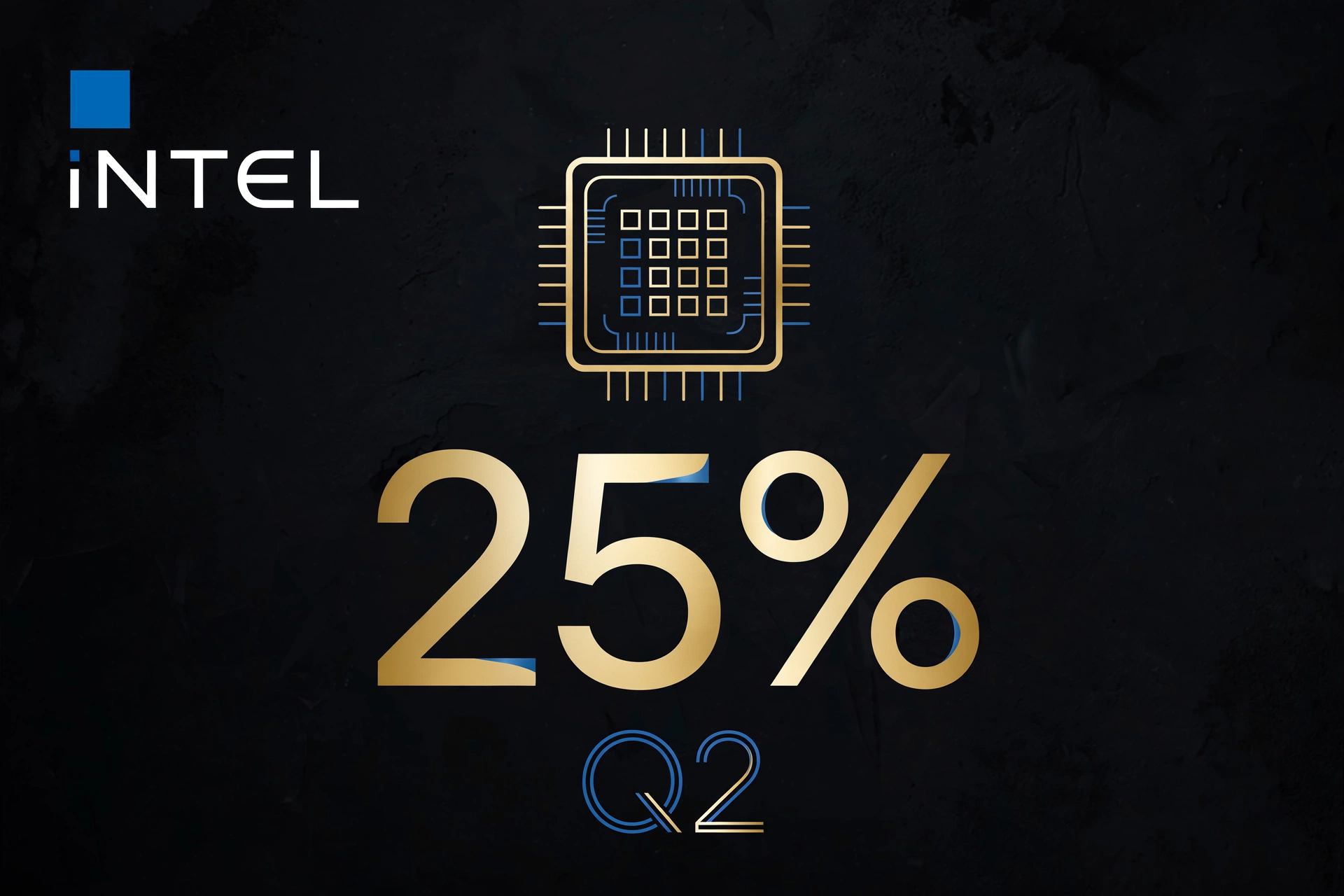
#IntelQ2RevenueSurges25%
INTEL'S AI COMEBACK: Q2 REVENUE SURGE SIGNALS A MAJOR SHIFT IN THE GLOBAL CHIP BATTLE
Intel's latest quarterly performance, as presented in the screenshot, points to a company benefiting from the extraordinary demand created by artificial intelligence and data-center infrastructure. The headline figure is striking: Q2 revenue of $16.13 billion, representing 25% year-over-year growth. More important than the headline number, however, is where that growth is coming from. The data-center and AI business is becoming an increasingly important engine for Intel, showing how
INTC-7.90%
EagleEye
#IntelQ2RevenueSurges25%
INTEL'S AI COMEBACK: Q2 REVENUE SURGE SIGNALS A MAJOR SHIFT IN THE GLOBAL CHIP BATTLE
Intel's latest quarterly performance, as presented in the screenshot, points to a company benefiting from the extraordinary demand created by artificial intelligence and data-center infrastructure. The headline figure is striking: Q2 revenue of $16.13 billion, representing 25% year-over-year growth. More important than the headline number, however, is where that growth is coming from. The data-center and AI business is becoming an increasingly important engine for Intel, showing how the AI boom is reshaping the semiconductor industry.
The reported $16.13 billion quarterly revenue significantly exceeded the estimate cited in the screenshot, while adjusted earnings per share also came in ahead of expectations. For investors, the significance is not simply that Intel beat forecasts; the bigger question is whether the company can turn stronger demand into sustainable profitability and long-term competitive strength. A single strong quarter can change market sentiment, but a durable turnaround requires consistent execution across multiple quarters.
The most important growth area is Intel's Data Center and AI segment, which reportedly increased revenue by 59% year over year to $6.26 billion. That growth rate is substantially faster than Intel's overall revenue growth, highlighting a major structural shift in the business. AI workloads require enormous amounts of computing power, memory, networking, and advanced semiconductor technology, creating opportunities across the entire data-center ecosystem.
The AI boom is creating a complicated situation for semiconductor companies. On one side, demand is exploding as businesses invest in AI infrastructure. On the other, manufacturers must deal with enormous capital requirements, advanced process technology, complex supply chains, and intense competition. Winning the AI race is therefore not simply about selling more chips; it requires the ability to produce competitive products at scale while maintaining attractive margins.
Intel's foundry business is another critical part of the story. The company has been investing heavily in its manufacturing capabilities with the ambition of becoming a major contract chip manufacturer for external customers. Stronger foundry revenue could become strategically important because it would diversify Intel beyond selling its own processors and potentially position the company as a larger participant in the global semiconductor manufacturing ecosystem.
However, foundry growth must be evaluated carefully. Revenue growth alone does not guarantee that a manufacturing business is economically successful. Investors will ultimately want to see evidence of improving utilization, competitive process technology, strong customer relationships, efficient capital spending, and a path toward sustainable profitability. The semiconductor manufacturing business requires enormous investment, so execution is just as important as demand.
The screenshot also highlights the possibility of persistent supply constraints. This is a crucial point because AI demand is not limited to one type of processor. Modern AI infrastructure depends on advanced computing chips, high-bandwidth memory, networking equipment, advanced packaging, and sophisticated manufacturing capacity. Bottlenecks in any one of these areas can limit the industry's ability to expand quickly.
The AI infrastructure boom is therefore creating a new kind of supply-chain competition. Companies are competing not only for customers but also for access to manufacturing capacity, advanced packaging, energy, data-center space, and specialized components. As AI adoption continues, the semiconductor industry may increasingly be shaped by infrastructure availability as much as by raw demand.
Intel's performance also needs to be viewed within the broader competitive landscape. The company operates in an industry where competitors are aggressively developing AI accelerators, data-center processors, custom silicon, and advanced manufacturing technologies. Intel's future success will depend on whether it can translate its engineering capabilities and manufacturing investments into products that customers actually want to deploy at scale.
The market's positive reaction to the earnings announcement reflects another important factor: expectations matter as much as results. A company can report strong revenue growth and still see its stock fall if investors expected even better results. Conversely, when earnings exceed expectations and future guidance improves, the market can quickly revalue the company's prospects. This explains why quarterly earnings reports can produce dramatic movements in after-hours trading.
The reported Q3 guidance above analyst expectations is particularly important because forward guidance often influences investor sentiment more than historical results. Strong guidance suggests management sees continued demand ahead, but investors should still distinguish between management expectations and guaranteed future performance. Semiconductor markets can change quickly because of product cycles, inventory adjustments, competition, macroeconomic conditions, and technology transitions.
There is also a broader economic story behind Intel's performance. The AI boom is generating demand for physical infrastructure on a massive scale. Data centers require processors, accelerators, networking systems, cooling, electricity, storage, and advanced semiconductor manufacturing. This means AI investment is increasingly becoming an industrial story rather than simply a software story.
For the semiconductor industry, this could create a long-term investment cycle similar to previous technology infrastructure expansions. However, history also shows that periods of extraordinary demand can eventually lead to overinvestment. Companies that aggressively expand capacity today must ensure that future demand is strong enough to justify the enormous capital expenditures required to build advanced manufacturing facilities and data-center infrastructure.
Intel's results therefore represent both an opportunity and a test. The opportunity is clear: AI is creating new demand for computing infrastructure, and Intel is positioned to participate through data-center products and its foundry strategy. The test is whether the company can execute consistently enough to convert this demand into sustainable growth, stronger margins, and a durable competitive position.
The biggest takeaway is that Intel's story is no longer just about traditional PC processors. The company's future increasingly depends on its ability to participate in the AI economy, strengthen its data-center presence, and build a competitive manufacturing business. If those efforts succeed, Intel could become an important part of the next generation of global AI infrastructure. If execution falls short, the enormous investment required could become a significant burden.
The real story behind Intel's reported Q2 surge is not simply that revenue jumped 25%. The deeper story is that AI is changing the semiconductor industry's competitive map—and Intel is trying to reposition itself while that map is being redrawn. The next few quarters will reveal whether this is the beginning of a genuine long-term comeback or simply a powerful AI-driven demand cycle.
repost-content-media
  • Reward
  • 4
  • Repost
  • Share
PrinceMagsi786:
To The Moon 🌕
View More
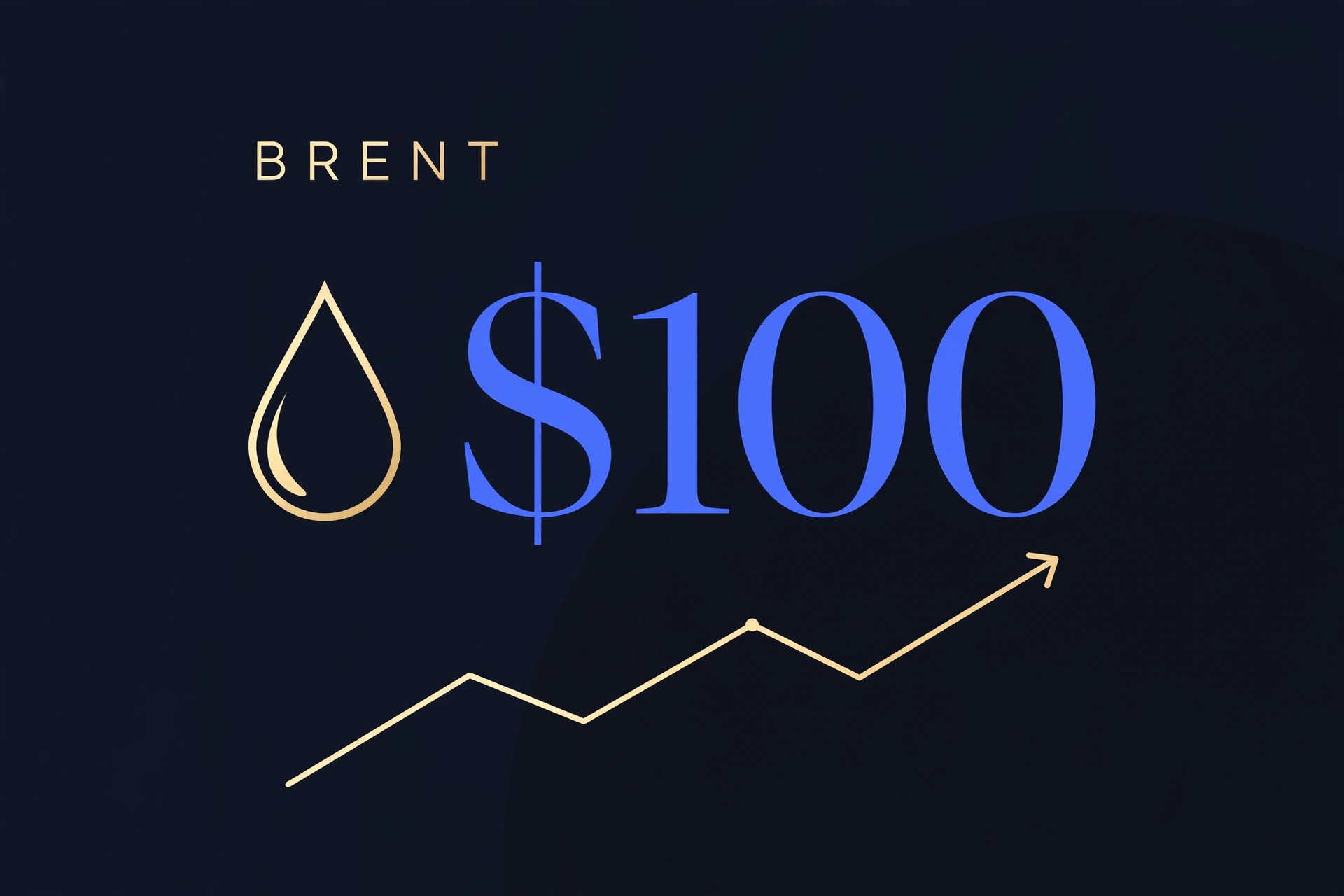
#BrentReturnsTo100
BRENT RETURNS TO $100: THE OIL SHOCK THAT COULD REWRITE THE GLOBAL INFLATION STORY
Brent crude has moved back above the psychologically important $100-per-barrel level, marking a major shift in the global energy market. On July 23, Brent futures settled at approximately $100.69 a barrel, gaining around 7% on the day, while WTI also jumped sharply. The immediate catalyst was a new escalation in Middle East shipping risks after the Houthis said they had attacked two Saudi oil tankers in the Red Sea, adding another layer of uncertainty to an already disrupted regional energy s
EagleEye
#BrentReturnsTo100
BRENT RETURNS TO $100: THE OIL SHOCK THAT COULD REWRITE THE GLOBAL INFLATION STORY
Brent crude has moved back above the psychologically important $100-per-barrel level, marking a major shift in the global energy market. On July 23, Brent futures settled at approximately $100.69 a barrel, gaining around 7% on the day, while WTI also jumped sharply. The immediate catalyst was a new escalation in Middle East shipping risks after the Houthis said they had attacked two Saudi oil tankers in the Red Sea, adding another layer of uncertainty to an already disrupted regional energy supply system.
The most important issue is not simply that oil crossed $100. The real concern is the possibility of multiple supply corridors being disrupted at the same time. The Strait of Hormuz is one of the world's most important energy chokepoints, while the Bab el-Mandeb connects the Red Sea to the Gulf of Aden and is strategically important for maritime trade. When risks emerge around more than one route, the market begins pricing in a larger probability of delays, rerouting, higher insurance costs, and tighter available supply.
This is why the latest oil move has attracted so much attention. Energy markets are extremely sensitive to the possibility of physical supply disruption because crude cannot always be replaced instantly from another source. Even when global inventories exist, moving additional barrels through alternative routes takes time and can increase transportation costs. The market therefore reacts not only to barrels actually removed from supply, but also to the risk that future deliveries could become more difficult.
The Red Sea development adds another layer to the situation. Reports indicate that the Houthi attacks on Saudi tankers have increased concerns about shipping through the Bab el-Mandeb region, while the separate disruption around the Strait of Hormuz has already placed additional pressure on global energy flows. The significance is that traders are now watching two strategically important maritime corridors rather than focusing on a single isolated disruption.
For the global economy, the biggest risk is the second-round effect of higher energy prices. Crude oil is not only used to produce gasoline and diesel. It influences transportation, aviation, petrochemicals, plastics, industrial production, and logistics. If energy costs remain elevated for an extended period, businesses may face higher operating expenses and could eventually pass some of those costs to consumers.
This creates a difficult environment for central banks. If an oil shock pushes inflation higher while simultaneously weakening economic growth, policymakers can face a difficult trade-off. Cutting interest rates may support economic activity but could leave inflation elevated, while keeping monetary policy restrictive may help contain inflation but increase pressure on businesses and households. The outcome depends heavily on how persistent the energy shock becomes.
The impact on financial markets can also be significant. Higher oil prices can benefit some energy producers and companies with direct exposure to crude, but they can create challenges for airlines, transportation companies, chemical manufacturers, and other businesses with high energy costs. The result is a potential sector rotation, where capital moves toward companies perceived as better positioned for higher energy prices and away from industries vulnerable to rising operating expenses.
The bond market is another area to watch. If investors believe an oil shock will keep inflation elevated, they may demand higher yields on longer-term government debt. But if the same shock creates fears of a broader economic slowdown, demand for safe-haven assets can move in the opposite direction. This tension makes the reaction of bond yields particularly important because it can influence borrowing costs across the wider economy.
The U.S. dollar can also become part of the story. Oil is predominantly priced in dollars, so currency movements affect the purchasing power of countries that import energy. A stronger dollar can make dollar-denominated commodities more expensive for some foreign buyers, while a weaker dollar can have the opposite effect. The relationship is complex, but energy shocks and currency markets often interact during periods of geopolitical stress.
The most dangerous scenario for the global economy would not necessarily be one day of Brent trading above $100. It would be a prolonged disruption that prevents supply from normalizing. A temporary geopolitical premium can disappear quickly if shipping routes reopen and supply fears ease. A sustained physical shortage is a completely different situation because it can affect inventories, refinery operations, transportation costs, inflation expectations, and consumer behavior for months.
This is also why price forecasts should be treated carefully. A projection that Brent could reach $120 or higher under a prolonged disruption is a scenario, not a guaranteed outcome. Oil prices depend on many variables, including the duration of the conflict, the availability of alternative supply, strategic reserves, demand growth, OPEC+ policy, inventory levels, shipping conditions, and the response of governments and markets.
The current environment also highlights the importance of oil market psychology. Energy traders constantly price future possibilities. If the market believes that supply disruption is becoming more likely, prices can rise before a physical shortage appears. Conversely, if tensions ease or alternative supply becomes available, the risk premium can fall rapidly. This is why crude oil can experience very large price swings even when global production has not changed dramatically from one day to the next.
For consumers, the most visible consequence may eventually appear at the fuel pump, but the impact can extend much further. Higher transportation costs can affect food distribution, manufacturing, delivery services, and travel. The longer elevated crude prices remain in place, the greater the possibility that the energy shock becomes embedded into broader business costs.
The key question for markets now is therefore not simply “Can Brent stay above $100?” The more important question is “How long will the supply risk remain elevated?” If maritime routes stabilize and physical flows recover, the price premium could unwind. If disruptions spread or persist, the market could face a much more serious supply challenge.
The return of Brent above $100 is a warning that geopolitical risk has once again become a central force in global markets. Oil prices, inflation expectations, bond yields, currencies, equities, and consumer costs are all connected through the energy system. The next phase will depend less on the headline price of $100 and more on what happens to the world's critical shipping routes, physical oil flows, and the duration of the disruption.
The real story is not simply that oil crossed a psychological milestone. The real story is that the global economy is being reminded—once again—that energy security depends on geography, shipping routes, and geopolitical stability. If those foundations remain under pressure, the consequences can travel far beyond the oil market and into the entire global financial system.
repost-content-media
  • Reward
  • 4
  • Repost
  • Share
PrinceMagsi786:
To The Moon 🌕
View More
#EventContractsLaunch
🔥 GATE EVENT CONTRACT LAUNCH: $50,000 REWARD POOL FOR BTC & ETH TRADERS
Gate has launched a limited-time event focused on short-cycle BTC and ETH contract trading, with a total prize pool of $50,000 available across multiple reward categories. The campaign is scheduled to run from July 21 at 10:00 UTC+8 through July 31 at 16:00 UTC+8, giving eligible participants a defined window to take part in the promotional activities.
1️⃣ First Deal Protected Payout
The first 2,000 eligible users whose first qualifying deal results in a loss may receive compensation of up to $5 per
BTC-0.26%
ETH0.03%
EagleEye
#EventContractsLaunch
🔥 GATE EVENT CONTRACT LAUNCH: $50,000 REWARD POOL FOR BTC & ETH TRADERS
Gate has launched a limited-time event focused on short-cycle BTC and ETH contract trading, with a total prize pool of $50,000 available across multiple reward categories. The campaign is scheduled to run from July 21 at 10:00 UTC+8 through July 31 at 16:00 UTC+8, giving eligible participants a defined window to take part in the promotional activities.
1️⃣ First Deal Protected Payout
The first 2,000 eligible users whose first qualifying deal results in a loss may receive compensation of up to $5 per person, subject to the event's terms and eligibility requirements. This reward is designed as a limited first-trade protection incentive, so participants should carefully review the official campaign rules before trading.
2️⃣ Profit Double Reward
During the event period, qualifying net profits may receive a 2× reward, with rewards distributed according to the campaign's ranking mechanism and a maximum reward cap of $500 per participant. The exact calculation of qualifying net profit and reward distribution should be checked against the official event rules before participation.
3️⃣ Trading Sprint Reward
Participants who achieve cumulative qualifying trading volume of at least $1,000 may become eligible to share a separate $20,000 prize pool. The distribution is based on each participant's share of the total qualifying trading volume, with a maximum reward of $1,000 per person.
The campaign is focused on BTC and ETH contract trading, meaning participants should understand that contract products can involve significant market risk, leverage, and rapid price movements. A promotional reward does not remove the possibility of trading losses, and participants should not trade solely to qualify for a reward.
The most important thing to check before participating is the eligibility criteria, qualifying transaction rules, calculation method, reward distribution conditions, and any restrictions that apply to the campaign. Promotional events can have specific requirements that determine whether a trade or account qualifies for a reward.
Event Period: July 21, 10:00 UTC+8 – July 31, 16:00 UTC+8
Total Promotional Prize Pool: $50,000
Products: BTC & ETH Contracts
First Deal Protection: Up to $5 per eligible user
Profit Reward Cap: Up to $500 per eligible user
Trading Sprint Reward Cap: Up to $1,000 per eligible user
Important: This is promotional information, not financial advice. Contract trading involves substantial risk, and users should understand the product and its risks before participating. Always verify the current campaign terms directly through Gate's official channels before taking part.
repost-content-media
  • Reward
  • 6
  • Repost
  • Share
ChartBeautician:
The event looks promising, but there are high contract risks—beginners should proceed with caution.
View More
IPO
2,230 views
2026-07-24 14:44
  • Reward
  • 2
  • Repost
  • Share
PrinceMagsi786:
To The Moon 🌕
View More
[IPO]
1,237 views
2026-07-24 13:08
  • Reward
  • 2
  • Repost
  • Share
PrinceMagsi786:
To The Moon 🌕
View More
  • Pinned