U.S. lawmakers are working through competing versions of the Clarity Act as digital asset markets face renewed policy uncertainty, with roughly 20 session days remaining before the August recess. The crypto market structure bill, which passed the Senate Banking Committee in a bipartisan 15-9 vote, still requires additional procedural approvals, reconciliation with House language, and a Senate floor vote before reaching the White House. Outstanding policy disputes include ethics provisions and rules tied to illicit finance. The legislation would define whether digital assets fall under Securities and Exchange Commission securities rules or Commodity Futures Trading Commission commodities oversight, establishing clearer jurisdictional boundaries for the U.S. crypto industry.
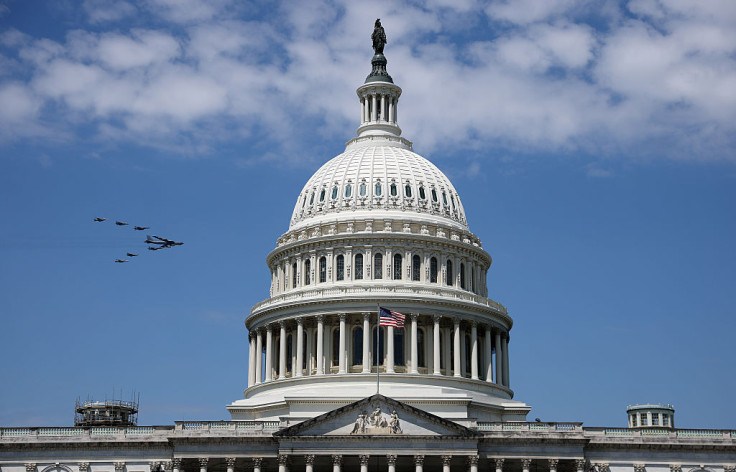
Senate Banking Committee Approves Clarity Act in Bipartisan Vote
The Clarity Act cleared the Senate Banking Committee with a 15-9 bipartisan vote, according to Coin Desk. Lawmakers are working within a compressed legislative calendar to align differing versions of the bill and resolve outstanding policy disputes. A report issued Tuesday by Jefferies said the bill faces significant procedural and political hurdles in the Senate, noting that limited floor time and unresolved concerns continue to shape the legislative path. Jefferies also highlighted shifting market expectations around the bill's passage, including a decline in probability estimates tracked by prediction markets.
Clarity Act Establishes SEC and CFTC Jurisdictional Framework for Digital Assets
The Clarity Act is considered a central piece of U.S. crypto market structure legislation because it would set clearer jurisdictional boundaries between the Securities and Exchange Commission and the Commodity Futures Trading Commission. The SEC currently oversees securities markets, while the CFTC regulates commodities trading, leaving many digital assets operating in a gray regulatory area. Under the proposed framework, digital assets would be classified more clearly, shaping how exchanges, custodians, and asset managers operate in the United States. The bill has been closely watched by major crypto companies including Coinbase and stablecoin issuer Circle, both of which operate within regulatory frameworks that remain partially unsettled. Passage of the bill would establish clearer rules for services such as tokenization, custody, staking, lending, and blockchain-based financial products, creating a more defined environment for institutional participation.
FAQ
What is the current status of the Clarity Act in the U.S. Senate?
The Clarity Act passed the Senate Banking Committee in a bipartisan 15-9 vote. It still requires additional procedural approvals, reconciliation with House language, and a Senate floor vote before reaching the White House. Lawmakers have roughly 20 session days remaining before the August recess to complete this process.
How would the Clarity Act change crypto regulation in the United States?
The Clarity Act would set clearer jurisdictional boundaries between the Securities and Exchange Commission and the Commodity Futures Trading Commission for digital asset oversight. It would classify digital assets more clearly under either securities rules or commodities oversight, establishing defined rules for tokenization, custody, staking, lending, and blockchain-based financial products. The framework would affect how exchanges, custodians, and asset managers including Coinbase and Circle operate in the United States.


